Your Reef-to-Table Pantry: How to Eat Luxurious Seafood Without Trashing the Ocean

Photo: sustainable seafood oysters mussels fresh market ocean reef ingredients, via petapixel.com
Let's be honest about something: the word "sustainable" gets thrown around so much in the food world that it's starting to lose its meaning. Slap it on a label, charge an extra three bucks, and suddenly every fish in the freezer aisle is saving the planet. Except — it's not that simple, and most of us know it.
If you're someone who genuinely loves seafood but also genuinely cares about what's happening to our oceans and reef ecosystems, you're probably caught between two uncomfortable feelings: the joy of a beautifully sourced piece of fish and the nagging question of whether enjoying it is doing harm. That tension is real, and it deserves a real answer.
At Salty's Reef Store, sustainability isn't a marketing checkbox — it's the whole point. We built this store around the idea that reef-sourced ingredients can be part of a responsible, joyful food life. So let's talk about how to actually build a gourmet seafood pantry that you can feel good about.
Why Reef Ecosystems Matter to Your Dinner Plate
Coral reefs cover less than one percent of the ocean floor, yet they support roughly 25 percent of all marine species. They're the nurseries, feeding grounds, and shelters that make much of the seafood we love possible in the first place. When reefs degrade — through warming waters, pollution, or destructive fishing practices — the ripple effects reach all the way to your local fish counter.
This isn't a guilt trip. It's just context. Understanding that your seafood choices are connected to larger ecosystems makes you a smarter, more intentional buyer. And intentional buying, at scale, genuinely moves markets.
Decoding Sustainability Certifications (Without a Degree in Marine Biology)
Certifications are your first line of defense when you can't personally visit a fishery — which, let's face it, is most of the time.
Marine Stewardship Council (MSC): The blue MSC label is one of the most recognized and rigorous wild-catch certifications in the world. It means the fishery has been independently assessed for sustainable fish populations, minimal environmental impact, and effective management. Look for it on wild salmon, cod, and certain shellfish.
Aquaculture Stewardship Council (ASC): For farmed seafood, ASC certification is the equivalent benchmark. It covers responsible feed sourcing, water quality, and community impact. Farmed shellfish — oysters, mussels, clams — often carry this certification and are among the most environmentally sound seafood choices available.
Best Aquaculture Practices (BAP): Common in the US market, BAP certification from the Global Seafood Alliance covers farms, hatcheries, and processing plants. It's a solid indicator of responsible production.
Monterey Bay Aquarium's Seafood Watch: This isn't a certification but rather a free, regularly updated consumer guide that rates seafood as Best Choice, Good Alternative, or Avoid based on current scientific data. Download the app. Use it at the grocery store. It takes ten seconds and makes a real difference.
At Salty's Reef Store, we cross-reference these resources when selecting our suppliers. If a product can't clear these bars, it doesn't make it onto our shelves — simple as that.
The Most Sustainable Luxury Seafood You Can Buy Right Now
Sustainability and luxury aren't opposites. Some of the most responsibly sourced ingredients also happen to be the most delicious. Here's where to put your money:
Farmed Oysters, Mussels, and Clams: Bivalves are basically the superheroes of sustainable aquaculture. They filter water, require no feed inputs, and actively improve the ecosystems around them. A bag of Pacific oysters or Prince Edward Island mussels is one of the most guilt-free gourmet purchases you can make.
US-Farmed Shrimp: Imported shrimp — particularly from regions with lax environmental oversight — is one of the more problematic categories in the seafood industry. Domestically farmed shrimp, particularly from operations in Texas, Hawaii, and the Gulf Coast, is a far better choice. It's also fresher, since it hasn't traveled halfway around the world.
Wild Alaskan Salmon: Alaska's salmon fisheries are genuinely among the best-managed in the world. Wild-caught sockeye, king, and coho from Alaskan waters consistently earn top ratings from Seafood Watch. This is one category where you can buy confidently and eat extravagantly.
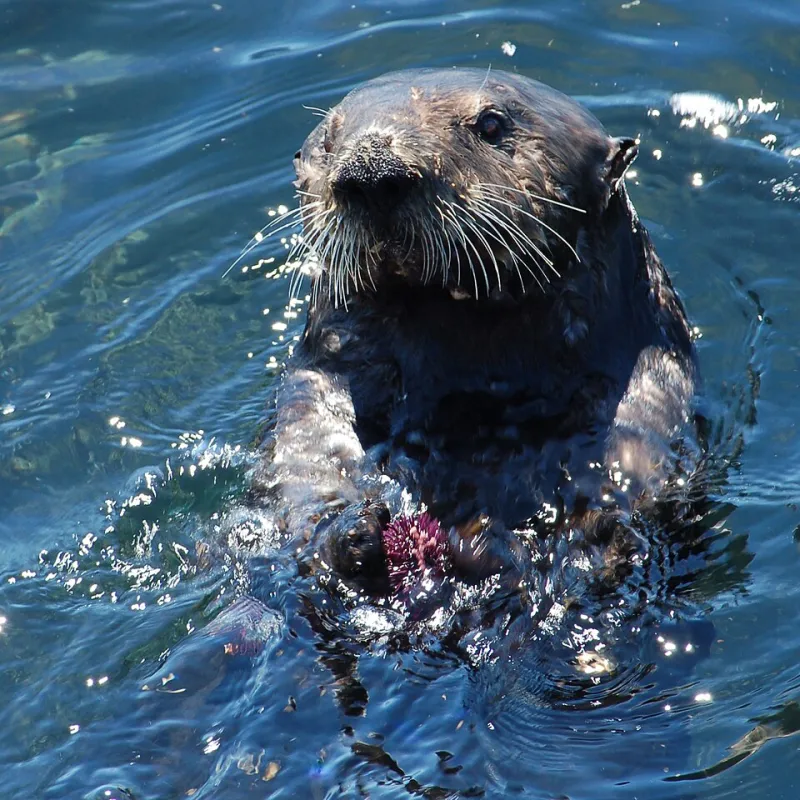
Sea Urchin (Uni): Here's one that surprises people. In California and Maine, sea urchin harvesting is tightly regulated, and in certain areas, urchin removal actually helps reef ecosystems by preventing urchin barrens — situations where overpopulated urchins decimate kelp forests. Eating well-sourced uni can be a net positive for reef health. That's a win-win we're proud to support.
Domestic Crab: Dungeness crab from the Pacific Northwest and stone crab from Florida are both well-managed fisheries with strong sustainability track records. Stone crab is particularly remarkable — only the claws are harvested, the crab is returned to the water, and it regenerates its claws over time.
What to Avoid (Or Buy Carefully)
No guide is complete without the hard conversation. A few categories worth approaching with caution:
- Imported shrimp (especially from Southeast Asia without clear certification)
- Atlantic bluefin tuna (severely overfished; opt for Pacific albacore or yellowfin instead)
- Chilean sea bass from uncertified sources (MSC-certified is fine; unverified is a gamble)
- Shark and swordfish in large quantities (high in mercury, slow to reproduce)
None of this means you can never eat these things again. It means knowing where they came from before you buy.
Building Your Actual Pantry: A Practical Starting Point
Okay, philosophy aside — what should you actually have on hand? Here's a reef-to-table pantry starter kit that balances sustainability, versatility, and serious flavor:
- Dried seaweed and kelp (sustainably harvested; great for broths, seasoning, and umami-forward cooking)
- Canned or jarred wild Alaskan salmon (endlessly versatile, shelf-stable, and responsibly sourced)
- Smoked oysters from certified farms (a pantry staple that elevates everything from crackers to pasta)
- Sea salt harvested from clean coastal waters (flavor and provenance in every pinch)
- Uni or uni-based products when in season (see our current availability at saltysreefstore.com)
- Bottarga (cured fish roe — a little goes a long way and adds incredible depth to simple dishes)
- Anchovy fillets from MSC-certified fisheries (the backbone of countless great sauces and dressings)
The Bottom Line
Eating gourmet seafood sustainably isn't about deprivation — it's about being curious enough to ask where your food comes from and choosing suppliers who take that question seriously. The ocean is generous. It can keep feeding us extraordinarily well if we treat it with even a fraction of the respect it deserves.
That's the philosophy behind every product we carry at Salty's Reef Store. We do the sourcing homework so you can focus on the cooking. Because the best meal isn't just one that tastes incredible — it's one you can feel genuinely proud to serve.