The Quiet Flavor Bomb: Ocean Ingredients That Make Everything You Cook Taste More Like Itself
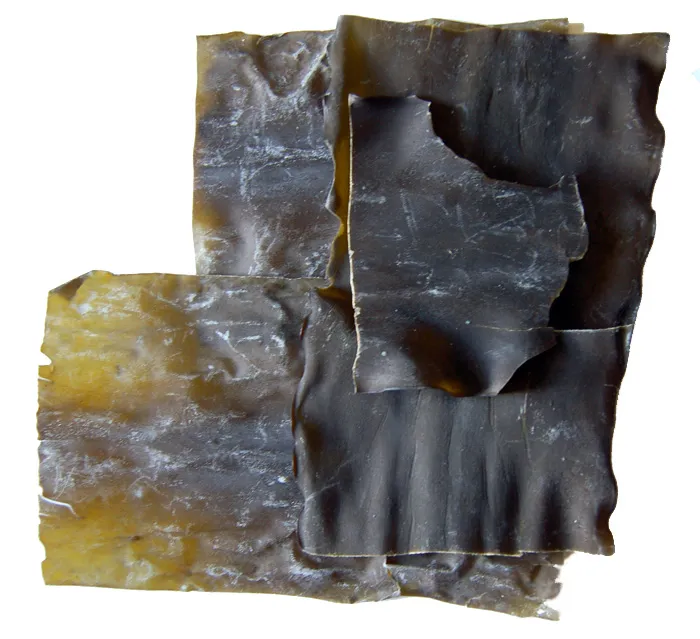
Photo: Alice Wiegand, (Lyzzy), CC BY-SA 3.0, via Wikimedia Commons
Umami is one of those words that gets thrown around a lot without much explanation. It's the fifth taste—alongside sweet, salty, sour, and bitter—and it's best described as a deep, savory, almost mouth-coating richness that makes food taste more fully like itself. It's what makes a good broth different from a great one. It's the reason you can't stop eating certain dishes even when you're already full.
Here's the thing: the ocean is basically an umami factory. And a handful of reef-sourced, sea-derived ingredients are some of the most potent natural sources of glutamates and nucleotides—the compounds responsible for that flavor depth—on the planet. They're not trendy additions. They've been staples in Japanese, Korean, Southeast Asian, and Mediterranean kitchens for centuries. They're just now getting their due in American home cooking.
Let's talk about what they are, how they taste, and—most importantly—how to actually use them.
Kombu: The Gentle Giant
Kombu is a type of dried kelp, and it might be the most quietly powerful ingredient in this whole lineup. On its own, it doesn't taste like much—a little briny, a little mineral. But when you simmer it in water, it releases an almost magical depth of flavor. That liquid is called dashi, and it's the foundation of Japanese cuisine.
But here's what makes kombu exciting for American home cooks: you don't have to make Japanese food to use it.
Try this: Add a 4-inch piece of kombu to the water when you're cooking dried beans. It doesn't make the beans taste like seaweed—it makes them taste more intensely like beans, with a richer, rounder broth. It also helps with digestibility (less of that, uh, post-bean situation).
Or drop a piece into your next batch of chicken stock. The difference is subtle but real—a deeper savoriness that's hard to explain until you taste it side by side.
Flavor profile: Mild, oceanic, mineral. Becomes almost sweet when simmered. Pairs beautifully with: mushrooms, chicken, white beans, corn, potatoes.
Where to find it: Asian grocery stores, Whole Foods, Amazon, and right here at Salty's Reef Store. Look for thick, dark green-to-black strips with a white powdery coating—that's natural glutamate and it's a good sign.
Bonito Flakes: Smoke Meets Sea
Katsuobushi—better known as bonito flakes—are shaved from dried, fermented, smoked skipjack tuna. They look like wispy pink wood shavings and they taste like the ocean got together with a smokehouse and had a very delicious baby.
Together with kombu, they're the other half of classic dashi. But on their own, they're incredibly versatile.
Try this: Sprinkle bonito flakes over roasted broccoli or asparagus right before serving. The heat from the vegetables makes the flakes dance and wave—it's visually dramatic and they add a smoky, savory punch that makes the dish feel restaurant-worthy. This technique is called okaka in Japanese cooking, and it works on everything from avocado toast to scrambled eggs.
You can also blend bonito flakes into butter with a little soy sauce for one of the best compound butters you'll ever put on a steak or a piece of grilled corn.
Flavor profile: Smoky, deeply savory, slightly fishy in the best possible way. Pairs well with: eggs, grilled vegetables, potatoes, pasta, butter sauces.
Fermented Fish Sauce: The Invisible Ingredient
Fish sauce has a branding problem. It smells assertive straight from the bottle—funky, pungent, unmistakably oceanic. And yet, when you use it correctly (meaning: in small amounts, in the right context), it practically disappears into a dish and leaves behind only this incredible savory depth.
In Southeast Asian cooking, fish sauce is foundational. But American cooks have been quietly adopting it across all kinds of applications, and for good reason.
Try this: Add a teaspoon of fish sauce to your next pot of chili, Bolognese, or beef stew. Don't add more than that. You will not be able to taste "fish"—you'll just notice that the whole dish tastes richer and more complex. This is the trick a lot of professional cooks use, and it works every single time.
A few drops in a Caesar dressing, a splash in caramelized onions, a small pour into a pan sauce—fish sauce is the definition of a background player that makes everyone else on the stage look better.
Tasting guide: Not all fish sauces are the same. Vietnamese fish sauce (nuoc mam) tends to be lighter and more delicate. Thai fish sauce (nam pla) is a bit bolder. Red Boat brand, made in Vietnam with just anchovies and salt, is widely considered the gold standard for quality. Try a few side by side—it's genuinely interesting.
Flavor profile: Intensely savory, fermented, salty. Use sparingly. Pairs with: red meat braises, pasta sauces, salad dressings, roasted root vegetables.
Dried Scallops: The Luxury Umami Bomb
Dried scallops (called conpoy in Cantonese cooking) are less commonly known in American kitchens, but they deserve a spot in your pantry if you're serious about flavor. These are small, amber-colored, intensely concentrated nuggets of scallop that have been dried until they're almost crystalline.
They're not cheap, but a little goes a long way—and they deliver a depth of sweet, oceanic savoriness that's unlike anything else.
Try this: Rehydrate a small handful of dried scallops in warm water for 30 minutes, then shred them and add both the scallops and the soaking liquid to fried rice or congee. The soaking liquid alone is essentially a scallop stock, and it transforms simple dishes into something genuinely special.
You can also simmer them into a broth-based sauce for steamed tofu or vegetables—the result is elegant and deeply flavorful with almost no effort.
Flavor profile: Sweet, intensely savory, concentrated oceanic richness. Pairs with: rice dishes, silken tofu, noodle soups, steamed vegetables.
Putting It All Together: A Simple Umami Pantry
You don't need all of these at once. Start with one—fish sauce is probably the most versatile entry point for most American cooks—and experiment with it for a few weeks before adding another. Here's a simple cheat sheet:
| Ingredient | Best Use | Intensity |
|---|---|---|
| Kombu | Broths, beans, grains | Mild |
| Bonito Flakes | Toppings, butter, dashi | Medium |
| Fish Sauce | Sauces, braises, dressings | Bold |
| Dried Scallops | Rice dishes, soups | Intense |
The beautiful thing about all of these ingredients is that they don't announce themselves. They work quietly in the background, making everything around them taste better. That's the real umami revolution happening in American home kitchens right now—not a dramatic overhaul of the way we cook, but a subtle, oceanic upgrade to the flavors we already love.
Explore our full selection of reef-sourced umami pantry staples at Salty's Reef Store—we've done the sourcing legwork so you can get straight to the cooking.