Not All Salt Is Created Equal: How Artisanal Sea Salts Make Your Seafood Sing
Photo: Unknown, CC BY-SA 4.0, via Wikimedia Commons
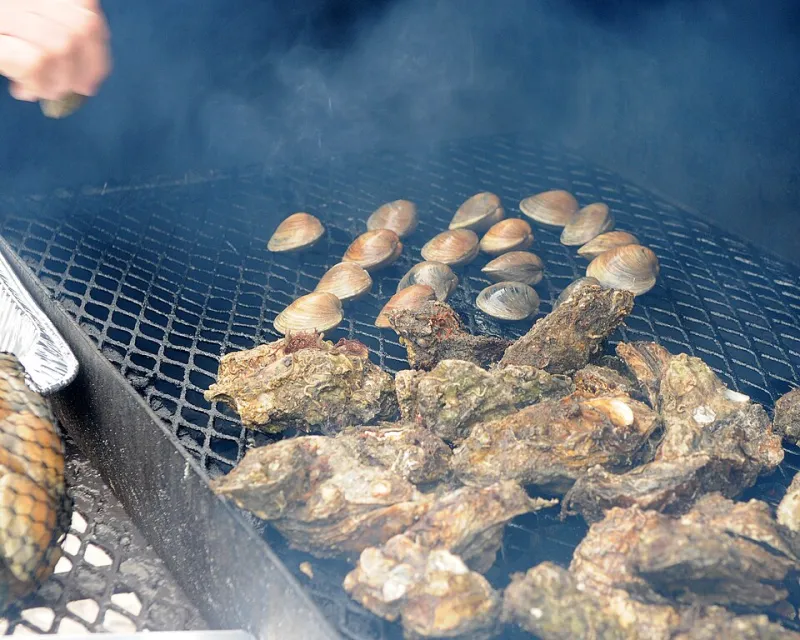
Let's be real: most of us grew up reaching for the same blue cylinder of table salt for everything from scrambled eggs to a pot of pasta. It works, sure. But when you're cooking a gorgeous piece of wild halibut or a bowl of freshly shucked clams, "works" isn't really the bar we're shooting for, is it?
Artisanal sea salts aren't just a fancy food trend or a way to make your kitchen look more Instagram-worthy (though they do accomplish that). They're genuinely different products with distinct mineral compositions, moisture levels, and crystal structures that interact with seafood in ways that plain old table salt simply can't replicate. Here's why that matters — and how to start building a little salt collection that'll change your cooking game for good.
What Actually Makes Sea Salt Different?
Table salt is refined to near-pure sodium chloride, which means almost all the trace minerals have been stripped out (and synthetic iodine added back in). Sea salt, on the other hand, is harvested directly from evaporated seawater and retains varying amounts of magnesium, calcium, potassium, and other minerals depending on where it came from.
Those trace minerals aren't just marketing fluff. They contribute to subtle flavor differences — a slight bitterness, a hint of sweetness, a briny oceanic finish — that can complement or contrast with the natural flavors in fish and shellfish. The crystal shape matters too. Larger, flakier crystals dissolve more slowly on your tongue, giving you bursts of salinity rather than a flat, uniform hit. That texture difference is especially noticeable as a finishing salt on something delicate like crudo or ceviche.
A Field Guide to the Salts Worth Knowing
Fleur de Sel (France)
Harvested from the top layer of salt pans in places like Guérande and the Île de Ré on France's Atlantic coast, fleur de sel is the classic finishing salt that French chefs have been obsessing over for centuries. The crystals form naturally on the water's surface and are hand-raked — a process so labor-intensive it keeps the price high and the supply limited.
Flavor-wise, it's delicate, slightly moist, and has a clean oceanic quality without being overwhelmingly briny. Best use: Finishing raw oysters, seared scallops, or a simple butter-poached lobster. You want to add it right at the end so those fragile crystals keep their texture.
Maldon Sea Salt (England)
Maldon has become the go-to finishing salt for home cooks in the US, and for good reason. Harvested from the Blackwater Estuary in Essex, it has iconic pyramid-shaped flakes that are light, crunchy, and mild. It's less mineral-forward than fleur de sel but incredibly versatile.
Best use: Grilled whole fish (sprinkled over right off the grill), fish tacos, or any shellfish preparation where you want a clean salt hit without competing flavors.
Hawaiian Black Lava Salt
This one turns heads on the plate. Hawaiian black salt gets its dramatic color from activated charcoal, which is blended with Pacific sea salt harvested from the waters around the islands. It has a bold, slightly smoky, earthy flavor that's completely unlike anything else on this list.
Best use: Blackened fish preparations, grilled mahi-mahi, or as a striking garnish on an ahi poke bowl. The visual contrast against pale fish flesh is genuinely stunning, and the flavor holds its own against strong marinades and spice rubs.
Hawaiian Red Alaea Salt
Alaea salt gets its reddish-orange hue from volcanic red clay (alaea), which adds iron oxide and a subtle, earthy, almost nutty flavor. It's been used in traditional Hawaiian cooking for centuries and has a coarser texture than most finishing salts.
Best use: Seasoning before and during cooking — it holds up to heat better than fleur de sel. Try it in a Hawaiian-style poke seasoning or rubbed on whole fish before roasting.
Mediterranean Sea Salt (Various Regions)
Salts from the Mediterranean — whether from Sicily, Cyprus, or the coast of Spain — tend to be clean, bright, and moderately mineral. Sicilian sea salt in particular is harvested from ancient salt pans near Trapani and has a pleasant, well-rounded salinity that's hard to mess up.
Best use: Everyday cooking applications where you want something better than table salt but aren't necessarily going for a dramatic finishing effect. Brining shrimp, seasoning a seafood pasta, or making a quick mignonette for oysters.
Smoked Sea Salt
Not a regional variety per se, but worth including because it's incredibly useful for seafood. Cold-smoked sea salts — often made with alderwood or applewood — bring a gentle smokiness that mimics the flavor of grilled or smoked fish without any actual smoking required.
Best use: Salmon dishes, smoked fish dips, clam chowder, or anywhere you want a hint of smoke without firing up the grill.
Practical Tips for Cooking With Specialty Salts
Don't cook with your expensive finishing salts. Fleur de sel and Maldon are meant to go on at the end. Heat destroys the crystal structure and you lose the textural effect you paid for. Use a solid Mediterranean sea salt or even kosher salt for your brines, boiling water, and sauces.
Build a simple seafood salt kit. You don't need ten varieties. Start with: a good all-purpose sea salt for cooking, Maldon or fleur de sel for finishing, and one wild card (Hawaiian black or smoked) for fun. That covers about 90% of what you'll ever need.
Taste before you season. Fresh, high-quality seafood from a reputable source already has natural salinity — especially shellfish. Oysters, clams, and mussels can taste quite salty on their own. Taste first, then decide how much you actually need to add.
Store your salts properly. Moisture is the enemy of good flaky salt. Keep finishing salts in a dry spot away from the stove, ideally in a sealed container or a pinch bowl with a lid. Clumping is annoying and ruins that beautiful crystal texture.
The Bottom Line
Good salt is one of the most affordable upgrades you can make to your seafood cooking. A tin of Maldon runs about five or six bucks and lasts for months. A small jar of fleur de sel is maybe ten to fifteen dollars. For what these salts do to a perfectly cooked piece of fish or a plate of freshly opened oysters, that's an absolute steal.
At Salty's Reef Store, we're all about honoring the natural flavors that come from the ocean — and the right salt is one of the simplest, most respectful ways to do exactly that. It doesn't mask or overpower. It listens to what's already there and turns up the volume just enough.
Start with one new salt this week. Your seafood will thank you.