Tiny Fish, Enormous Flavor: How Anchovies Quietly Run the Show in Great Cooking
Here's a situation that plays out in kitchens across the country more often than most people realize: someone takes a bite of something and says, "What is that? It's so good." The cook smiles and says nothing, because the answer — anchovies — would cause half the table to put down their forks.
That's the anchovy paradox. The ingredient that makes people say "I don't like anchovies" is often the exact thing making their favorite dishes taste incredible. It's hiding in your Caesar dressing, lurking in the best Worcestershire sauce, dissolving into Italian pasta sauces, and whispering through slow-cooked French stews. And until you make peace with this tiny, misunderstood fish, you're leaving a serious flavor tool off the table.
Let's fix that.
Why Anchovies Get Such a Bad Rap
The anchovy's reputation problem in the US is almost entirely the fault of one culprit: cheap pizza toppings. Those rubbery, aggressively salty strips that come on a bad slice? They've done decades of PR damage. Slimy, overpowering, straight-from-the-tin — that's the image burned into the American food psyche.
But here's what's actually happening when anchovies are used correctly: they disappear. Not literally, but functionally. A quality anchovy, cooked into a dish with a little heat and fat, breaks down almost completely. What's left isn't "fishy" — it's a deep, savory, almost meaty richness that makes everything around it taste more like itself. Food scientists call this umami amplification. Home cooks just call it "I don't know why this tastes so good."
The fishiness people fear is largely a quality and preparation issue. Poorly processed anchovies, packed in low-grade oil and left to sit too long, do taste sharp and overpowering. But a well-cured, properly packed anchovy is something else entirely — complex, nutty, almost sweet underneath all that savory depth.
Understanding Quality: Not All Anchovies Are Equal
When you walk the anchovy aisle (or, more likely, browse online), you'll encounter a few different formats. Knowing the difference matters.
Salt-packed anchovies are the gold standard. Whole fish, cured in salt for months, then packed tightly in tins or jars. They require a little prep — a rinse, a pat dry, sometimes a quick soak — but the flavor payoff is extraordinary. Brands from Spain and Italy (look for Cantabrian anchovies from northern Spain in particular) are widely considered the best in the world. These are the ones worth seeking out from specialty purveyors like us here at Salty's.
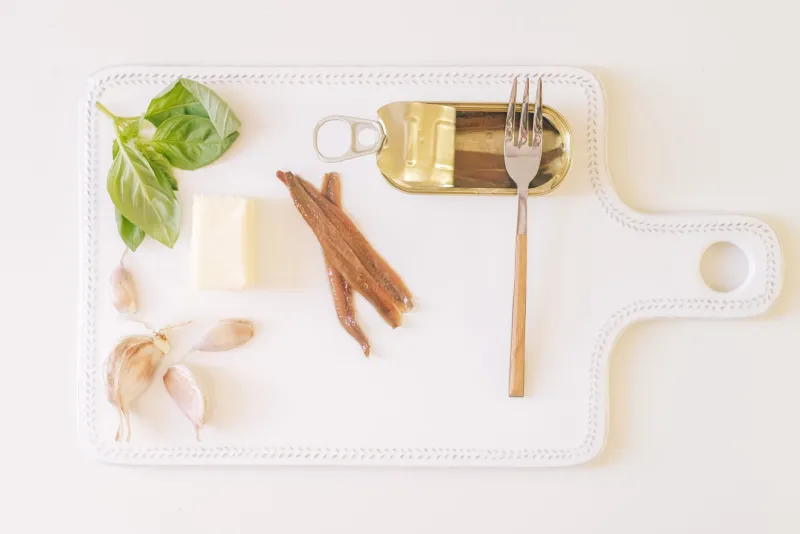
Oil-packed fillets are the most convenient option and still excellent when sourced well. The key is the oil — anchovies packed in high-quality olive oil will taste dramatically better than those sitting in generic vegetable oil. Check the label. If it doesn't tell you what kind of oil, that's a red flag.
Anchovy paste in tubes is a handy pantry shortcut for cooking applications where you just need that flavor boost stirred into a sauce or spread. It's not ideal for dishes where the anchovy is more front and center, but for everyday cooking, it earns its place.
How to Actually Use Them (Without Scaring Anyone)
The trick with anchovies is heat and fat. Warm a little olive oil in a pan, add a couple of fillets, and watch them melt within a minute or two. That's your flavor base — now build whatever you want on top of it. Garlic, tomatoes, braised meats, roasted vegetables. They'll all taste more complex and satisfying without anyone being able to pinpoint why.
The Pasta Move Everyone Should Know
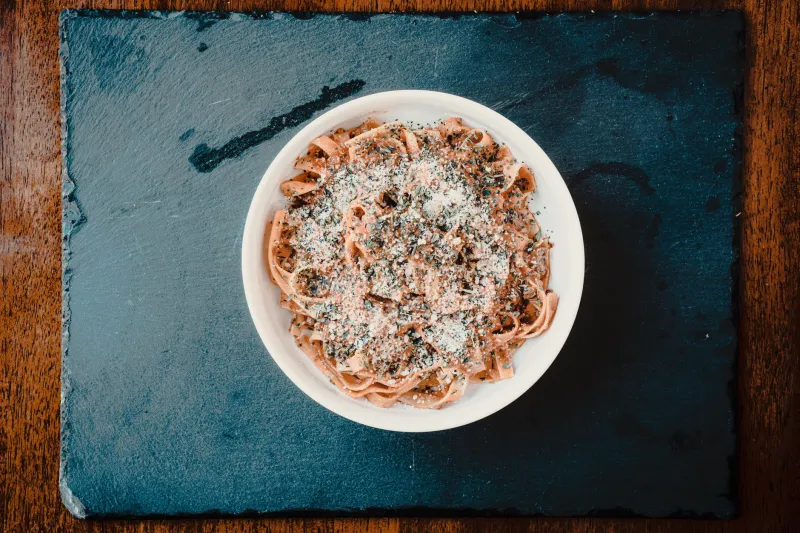
Italian cooks have been doing this forever: pasta alla puttanesca and aglio e olio both lean on anchovies as a foundational layer. Even if you're just making a simple weeknight pasta with olive oil and garlic, melt two or three anchovy fillets into the oil before the garlic goes in. The result is a sauce that tastes like it took three times as long to make.
Caesar Dressing, Made Right
Traditional Caesar dressing isn't Caesar dressing without anchovies — full stop. A lot of bottled versions quietly omit them to avoid consumer pushback, which is exactly why homemade always wins. Mash a couple of fillets into a paste with garlic, whisk in lemon juice, Dijon, egg yolk, and good olive oil, and you've got a dressing with real backbone. Nobody at your table will say they taste fish. They'll say they taste great salad.
Braised Greens and Roasted Vegetables
This one surprises people. Bitter greens — kale, rapini, escarole — love anchovies. Wilt your greens in anchovy-infused oil with garlic and a pinch of red pepper flakes and you've got a side dish that goes with basically everything. The same approach works with roasted cauliflower or broccoli. The anchovies don't announce themselves; they just make the vegetables taste more deeply of themselves.
Compound Butter
Mash softened butter with anchovy paste, lemon zest, and fresh herbs, roll it into a log, and freeze it. Slice off a pat whenever you want to finish a steak, melt it over grilled fish, or toss it with roasted potatoes. It's one of those things that makes people think you're a much more serious cook than you actually are.
Storing Them Properly
Once you open a tin of oil-packed anchovies, transfer any leftovers to a small jar, make sure they're submerged in oil, and refrigerate. They'll keep well for a couple of weeks. Salt-packed anchovies, kept covered in their salt in the fridge, can last considerably longer — months, even. Anchovy paste in a tube stays fresh in the fridge after opening for a good while, too.
The point is: there's no reason to be intimidated about buying a quality tin and using it over time. This isn't a perishable splurge. It's a pantry investment.
The Bigger Picture
Anchovies are also one of the more sustainable seafood choices you can make. They're small, fast-reproducing, and low on the food chain — which means they accumulate fewer contaminants and put less pressure on marine ecosystems than larger predatory fish. Choosing well-sourced anchovies from fisheries with responsible management practices means you're getting serious flavor and making a choice that's better for the ocean.
At Salty's, we're always thinking about where our ingredients come from and what that means for the long game. Anchovies fit that story well.
Give Them a Real Chance
The anchovy deserves a fresh start in the American kitchen. Not as a polarizing pizza topping, not as something to apologize for — but as a legitimate flavor powerhouse that professional cooks and home chefs around the world have relied on for centuries.
Buy a good tin. Melt a couple into some olive oil tonight. Make pasta, make dressing, make something. Then wait for someone to ask what your secret is.
You don't have to tell them.