Shell Game: A Beginner's Complete Playbook for Buying, Keeping, and Cooking Live Shellfish
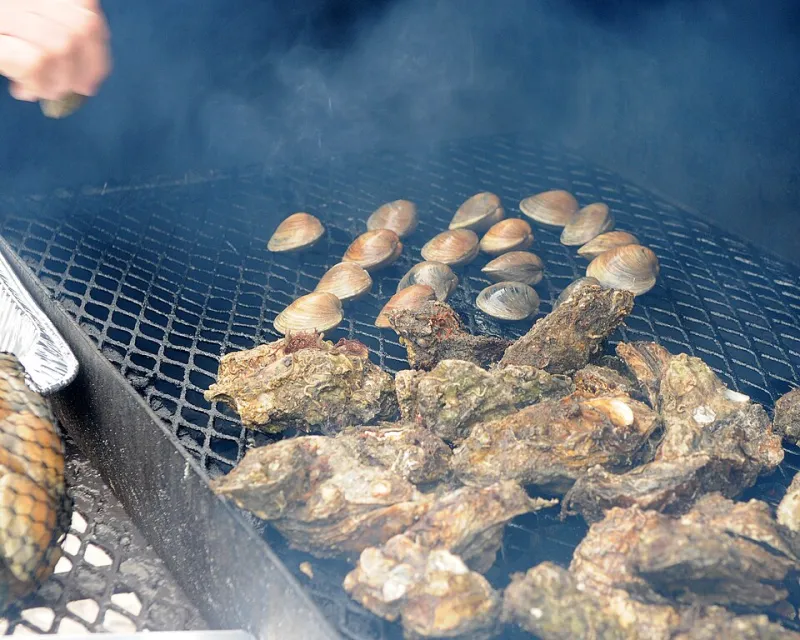
Photo: USFWS/Southeast, Public domain, via Wikimedia Commons
There's something almost primal about cooking live shellfish. Watching a dozen mussels open up in a steaming pot of white wine and garlic, or cracking open a perfectly chilled oyster and tasting the actual ocean — it connects you to where your food comes from in a way that a vacuum-sealed fillet just can't.
But if you've never done it before, buying live shellfish can feel like a lot. Are they still alive? How long can they sit in your fridge? What does it mean when one doesn't open? Take a breath. This guide covers all of it, and by the end, you'll be ready to confidently bring home a bag of clams on a Tuesday night like it's no big deal — because it really isn't.
Why Shellfish Are One of the Most Sustainable Choices You Can Make
Before we get into the how-to, let's talk about why shellfish deserve a regular spot in your cooking rotation beyond just taste.
Oysters, clams, and mussels are filter feeders. They don't require feed, fertilizer, or fresh water to farm — they literally clean the water around them as they grow, filtering out excess nutrients and improving water clarity. A single oyster can filter up to 50 gallons of water per day. Mussel and clam farming has similarly low environmental impact, and both are frequently highlighted by organizations like the Monterey Bay Aquarium's Seafood Watch program as top sustainable choices for US consumers.
When you choose farmed shellfish from responsible US aquaculture operations — places like the Pacific Northwest, the Gulf Coast, or New England — you're supporting coastal ecosystems and local fishing communities at the same time. That's the kind of eating we're here for.
How to Buy Live Shellfish Like You Know What You're Doing
The Smell Test Is Everything
Fresh live shellfish should smell like the ocean — clean, briny, a little like a cool sea breeze. If anything smells sour, ammonia-like, or just "off," walk away. Your nose is the most reliable quality-control tool you have.
Check for Signs of Life
Oysters: Should feel heavy for their size (that means they're full of liquid) and the shells should be tightly closed or close when tapped. If an oyster is gaping open and doesn't respond when you tap it, it's dead — don't buy it.
Clams: Same rule applies. Live clams are closed or will close when handled. Discard any that are cracked or won't shut.
Mussels: Mussels are a little more relaxed than clams and oysters — they may be slightly open, but they should close up within a minute or two when you tap them. Ones that stay open are dead and should be tossed.
Buy From Reputable Sources
At a fish counter, don't be shy about asking where the shellfish came from and when they arrived. Responsible retailers should be able to tell you. For oysters especially, the harvest location matters a lot for flavor — a Pacific oyster from Washington state tastes completely different from a Wellfleet oyster from Cape Cod, Massachusetts. Both are great; they're just different experiences.
When ordering online (hey, that's what we're here for), look for sellers who ship with proper cold packing and overnight delivery. Shellfish that spend too long in transit without adequate refrigeration are a food safety risk.
Storing Live Shellfish at Home: The Rules
This is where a lot of first-timers go wrong, and it's usually because they treat shellfish like other proteins and throw them in an airtight bag or container. Don't do that.
The golden rule: shellfish need to breathe. They're still alive, and sealing them in an airtight environment will suffocate them.
- Store shellfish in a bowl covered loosely with a damp cloth or damp paper towels in the coldest part of your refrigerator (usually the bottom shelf toward the back).
- Never store them in standing water or on ice that pools — freshwater kills them.
- Don't store them in plastic bags with the top sealed.
- Oysters can keep this way for up to a week if they arrived very fresh, but aim to use them within 3–4 days.
- Clams are best within 2–3 days of purchase.
- Mussels are the most perishable of the three — plan to cook them within 1–2 days, ideally the same day or the day after you buy them.
Always do a final check before cooking: tap any open shells. If they don't close, throw them out. Better safe than sorry.
Cooking Methods That Actually Work
Steamed Mussels With White Wine and Garlic
This is the entry point for a reason — it's nearly impossible to mess up and takes about 15 minutes start to finish.
Rinse your mussels under cold water and pull off any "beards" (the little fibrous threads hanging from the shell) by tugging them toward the hinge of the shell. In a large pot or deep skillet with a lid, sauté 3–4 cloves of minced garlic in butter over medium heat. Add a cup of dry white wine and bring it to a simmer. Add the mussels, cover, and cook for 5–7 minutes, shaking the pot once or twice, until the shells have opened. Discard any that stay closed. Serve with crusty bread to soak up the broth.
Clams Casino or Steamed Littlenecks
Littleneck clams are small, tender, and sweet — perfect for steaming using the same basic method as mussels. You can also do them in a New England-style clam bake setup with corn, potatoes, and smoked sausage if you're feeling ambitious.
For a classic Clams Casino, arrange scrubbed littleneck clams on a baking sheet, top each one with a mixture of breadcrumbs, bacon, diced peppers, butter, and a squeeze of lemon, and broil until bubbling and golden. It's a crowd-pleaser every single time.
Raw Oysters on the Half Shell
Shucking oysters at home is a skill worth learning, but you'll need an oyster knife and a folded kitchen towel to protect your hand. Hold the oyster flat-side up, wedge the knife tip into the hinge, twist to pop it open, then slide the blade along the top shell to release it. Run the knife under the oyster meat to free it from the bottom shell.
Serve them ice-cold with a simple mignonette (red wine vinegar, minced shallot, cracked black pepper), some fresh horseradish, and hot sauce. That's it. Don't overthink it.
Common Misconceptions, Busted
"Only eat oysters in months with an 'R' in them." This old rule dates back to the days before refrigeration, when summer heat made safe storage nearly impossible. With modern cold chain logistics, this is largely outdated — though some oysters do taste better in cooler months when they're not spawning.
"If a mussel or clam doesn't open, it's bad." Not necessarily — sometimes they just need a little more time or heat. Give it another minute or two. If it still won't open, then discard it.
"Farmed shellfish aren't as good as wild." This is flat-out wrong for most bivalves. Farmed oysters, clams, and mussels are often more consistent in quality and significantly more sustainable than wild-harvested ones.
Start Small, Cook Often
You don't need to throw a clambake for twelve to enjoy live shellfish at home. Start with a pound of mussels for a weeknight dinner-for-two, or grab a dozen oysters for a low-key Friday night appetizer. The more you work with these ingredients, the more intuitive it becomes.
Shellfish are one of the most ocean-connected foods you can bring into your kitchen — and at Salty's Reef Store, that connection is kind of the whole point. When you source them responsibly and cook them with a little care, you're not just making dinner. You're participating in a food system that actually gives something back to the sea.