From Niche to Necessary: Why Fish Sauce, Miso, and Fermented Seafood Are Taking Over American Kitchens
Something quietly radical has been happening in American home kitchens over the past decade. Ingredients once relegated to the dusty back corner of the "ethnic foods" aisle — fish sauce, aged miso, fermented shrimp paste — are now landing in pasta sauces, roasted vegetable sheets, and even the occasional cocktail. Cookbook authors are evangelizing them. Grocery stores that once stocked a single brand of soy sauce now carry four types of miso. And home cooks who swore they hated anything "too fishy" are quietly doubling the fish sauce in their bolognese and wondering why it tastes so much better.
So what's actually going on here? And more importantly, how do you get in on it without accidentally clearing the room at dinner?
The Science Behind the Obsession
Let's start with the word everyone keeps throwing around: umami. It's the fifth basic taste — alongside sweet, salty, sour, and bitter — and it describes that deep, savory, almost mouth-coating richness you get from aged cheeses, slow-cooked meats, ripe tomatoes, and yes, fermented seafood products. The compound most responsible for it is glutamate, and fermented ocean ingredients are absolutely loaded with it.
Fish sauce, for example, is made by packing small fish (often anchovies) in salt and letting them ferment for anywhere from one to three years. What you're left with is a liquid so dense with glutamates that just a teaspoon or two can transform an entire pot of soup. Miso — which, while not always seafood-based, frequently incorporates fish or is paired with dashi (a broth made from dried kelp and fermented tuna flakes) — works similarly. These aren't just condiments. They're flavor amplifiers.
And that's exactly what's driving their mainstream adoption. American home cooks are increasingly results-obsessed. They want food that tastes like it took longer than it did. Fermented seafood ingredients deliver that in a bottle.
The Dishes You'd Never Expect to Benefit
Here's where things get genuinely fun. The most convincing argument for keeping fish sauce in your pantry isn't a Thai curry — it's a Caesar salad dressing that tastes inexplicably more Caesar-y. Or a beef stew that has more depth than you've ever managed before. Or caramelized onions that seem to have been cooking for twice as long.
A few combinations worth trying:
- Roasted cauliflower with white miso butter: Whisk a tablespoon of white miso into softened butter, toss with cauliflower florets, and roast at 425°F. The miso caramelizes and creates a nutty, savory crust that makes the vegetable taste almost meaty.
- Fish sauce in pasta carbonara: Swap a small amount of the salt for fish sauce. It doesn't taste like fish. It tastes like the richest, most savory carbonara you've ever had.
- Miso in chocolate chip cookies: Half a tablespoon of white miso in the dough deepens the butterscotch notes and gives the cookies a complexity that's hard to pin down but impossible to ignore.
- Anchovy paste under the skin of a roast chicken: This one's practically a trick. The anchovies dissolve completely during roasting and leave behind nothing but a deeply savory, golden-skinned bird.
The pattern here is consistent: these ingredients aren't making food taste like the ocean. They're making food taste more like itself — amplified, rounded out, and deeply satisfying.
Starting Slow: A Practical Roadmap for the Hesitant Cook
If you've been burned before — maybe you added too much fish sauce to something and ended up with a dish that smelled like low tide — the key is starting with milder, more approachable versions of these ingredients before working your way up.
Start with white miso. It's the mildest, sweetest, and most versatile variety. Stir a small spoonful into salad dressings, butter, or soup bases. It adds depth without any of the pungency that might put you off. Once you're comfortable, move to yellow miso (a bit earthier), then red miso (bold, salty, complex).
For fish sauce, go with a quality Thai-style brand first. Look for one with a short ingredient list — ideally just fish and salt. Cheaper versions can have an aggressive, off-putting smell that gives the whole category a bad reputation. A good fish sauce smells pungent in the bottle but nearly disappears when cooked, leaving only savory richness behind. Start by using it in place of about a quarter of the salt in a recipe, then increase from there.
Anchovy paste is training wheels for more intense fermented seafood. It comes in a convenient tube, keeps forever in the fridge, and is easy to use in small amounts. Squeeze a little into a pan with garlic and olive oil, let it melt completely, and you've got the base of a sauce that will make people ask what your secret is.
Bonito flakes and dashi are your gateway to Japanese fermented seafood flavors. Dashi — the foundational Japanese broth made from kombu seaweed and katsuobushi (dried, fermented, smoked tuna) — is one of the most elegant and accessible ways to experience fermented seafood flavor. It's light, clean, and deeply savory. Make a simple batch and use it anywhere you'd use chicken broth.
What American Chefs Are Saying
Talk to any chef who's been cooking seriously for the last decade and they'll tell you the same thing: these ingredients aren't a trend. They're a correction. American cooking has historically under-utilized fermentation and ocean-derived flavors in ways that most of the rest of the world's cuisines figured out centuries ago.
The shift is showing up everywhere — in the fish sauce caramel at upscale dessert menus, in the miso-glazed salmon that's become a weeknight staple for busy families, in the anchovy-heavy Caesar dressings that have made a full comeback after years of being watered down. Home cooks are following the lead of restaurant kitchens and discovering that these ingredients are less intimidating than they look and far more versatile than their reputations suggest.
Building Your Fermented Seafood Pantry
You don't need to overhaul your entire kitchen at once. A few well-chosen additions can make an enormous difference:
- A good fish sauce — look for Vietnamese or Thai varieties with minimal ingredients
- White miso — start here, then branch out as your confidence grows
- Anchovy paste or oil-packed anchovy fillets — endlessly useful
- Bonito flakes — for making dashi, finishing soups, or topping rice
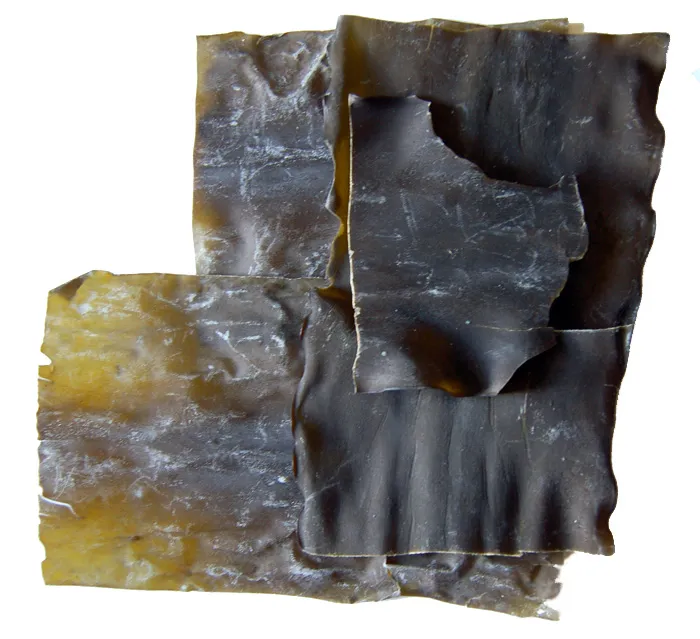
- Dried kombu — the seaweed backbone of dashi and a great addition to bean-cooking liquid
These five items take up almost no space, last a long time, and will quietly improve nearly everything you cook. That's a pretty compelling pantry upgrade by any measure.
The umami revolution isn't really a revolution at all — it's just American home cooks catching up to what the rest of the world has known for generations. The ocean has always been one of the most powerful flavor sources on the planet. We're just finally learning to use it.