Ditch the Chicken Stock: Why Seafood Broths Are the Flavor Upgrade Your Kitchen Has Been Missing

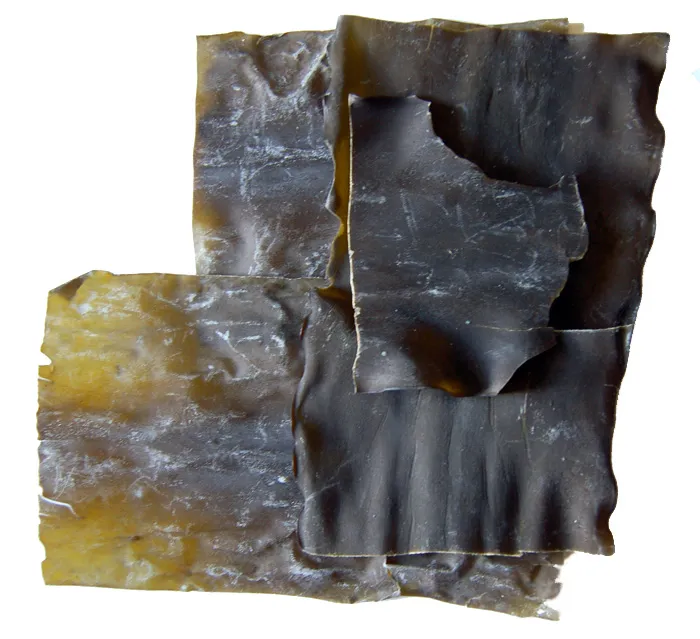
Photo: homemade seafood broth simmering fish bones kelp pot kitchen, via diynatural.com
Let's be honest — chicken stock is comfortable. It's familiar. It's the culinary equivalent of a well-worn hoodie. But comfortable doesn't mean it's the best tool for the job, and if you've been reaching for that carton of chicken broth every time a recipe calls for liquid, you might be leaving a staggering amount of flavor on the table.
Seafood-based broths and stocks — built from fish frames, crustacean shells, and ocean-grown seaweeds — don't just replace chicken stock. They upgrade it. And once you understand why, you'll probably never go back.
What Umami Actually Is (And Why Seafood Has More of It)
Umami is the fifth taste — that deep, savory, almost mouth-coating sensation that makes you want to keep eating long after you're full. It's triggered by glutamates, specific amino acids that occur naturally in food. The higher the concentration of free glutamates, the more intensely savory something tastes.
Here's where seafood wins by a landslide. Dried kelp (kombu) contains somewhere between 1,600 and 3,200 milligrams of glutamate per 100 grams — one of the highest concentrations of any food on earth. Dried shrimp, fish sauce, and even fresh fish bones are similarly loaded. Chicken, by comparison, clocks in at a modest 22 milligrams per 100 grams. That's not a small gap. That's a chasm.
But it's not just about raw glutamate levels. Seafood broths also carry inosinate (another umami compound found in fish) and, when you add kelp, guanylate — a third umami compound found in dried seaweed. When these three compounds combine, they create what food scientists call a synergistic umami effect: the perceived savory intensity multiplies rather than just adds up. A broth made with fish bones and kombu doesn't just taste twice as savory as chicken stock — it can taste eight to ten times more complex. That's the umami trap, and your food deserves to fall into it.
Fish Stock vs. Shrimp Shell Broth vs. Dashi: Know Your Options
Not all seafood broths are the same, and choosing the right one matters.
Fish Stock is made from fish bones and heads — ideally from mild white-fleshed fish like halibut, cod, snapper, or flounder. It's delicate but deeply savory, with a clean ocean finish. It's the perfect base for chowders, white wine sauces, and risotto.
Shrimp Shell Broth is the one most home cooks throw away without thinking about it. Every time you peel shrimp, those shells are packed with flavor. Roast them until they're pink and fragrant, simmer with aromatics, and you get a rich, coral-colored broth with a sweetness that chicken stock simply can't replicate. It's transformative in bisques, pasta sauces, and grain dishes.
Dashi is the Japanese foundational broth made from kombu (dried kelp) and katsuobushi (dried, fermented bonito flakes). It's fast — ready in under 20 minutes — and delivers pure, clean umami. Think of it as concentrated ocean flavor in liquid form. Use it anywhere you'd use broth, from miso soup to braised vegetables to simple noodle dishes.
Why Homemade Wrecks Store-Bought
The seafood broth section at most grocery stores is... thin. Most commercial versions are heavily salted, lightly flavored, and built for shelf stability rather than depth of taste. They're not bad in a pinch, but they're not going to make your dish sing.
When you make your own, you control everything: the ratio of bones to water, the aromatics you add, the simmer time, the salt level. You can reduce it down into a concentrated liquid gold that transforms a simple pan sauce into something you'd pay $30 a plate for at a restaurant.
At Salty's Reef Store, we stock a curated selection of dried kombu, high-quality fish sauce, and sustainably sourced dried shrimp — all the reef-sourced building blocks you need to get started.
How to Make a Basic Fish Stock at Home
This is genuinely easy. Don't let the word "stock" intimidate you.
You'll need:
- 2 lbs fish bones and heads (ask your fishmonger — they often give these away or sell them cheap)
- 1 medium onion, roughly chopped
- 2 stalks celery, chopped
- 1 cup dry white wine
- 1 strip of dried kombu (about 4 inches)
- A few parsley stems, a bay leaf, a few black peppercorns
- 6 cups cold water
Method: Rinse the fish bones under cold water. Add everything to a large pot, bring to a gentle simmer — never a boil — and cook for exactly 20 to 25 minutes. Fish stock is one of the few stocks that gets bitter if you cook it too long. Strain, taste, and season lightly. Cool quickly and refrigerate for up to 3 days, or freeze in ice cube trays for easy portioning.
How to Make Shrimp Shell Broth
Save your shells in a zip-lock bag in the freezer until you have a good 2 to 3 cups. Spread them on a baking sheet and roast at 400°F for about 10 minutes until fragrant and pink. Transfer to a pot with a halved onion, a few garlic cloves, a can of crushed tomatoes, a splash of white wine, and 6 cups of water. Simmer for 45 minutes, strain, and reduce by a third for extra intensity. The result? A broth so flavorful you'll want to drink it straight from a mug.
Putting It to Work: Three Quick Applications
Seafood Risotto: Swap chicken stock for shrimp broth one ladle at a time. The rice absorbs all that crustacean sweetness and turns the whole dish an appealing blush pink. Add a splash of fish sauce at the end instead of salt.
Quick Pan Sauce: After searing a piece of halibut or salmon, deglaze the pan with a cup of fish stock and a splash of white wine. Reduce by half, swirl in a tablespoon of cold butter, and spoon it over the fish. That's a restaurant-quality sauce in under five minutes.
Dashi Noodle Bowl: Simmer dashi with a spoonful of white miso, a drizzle of soy sauce, and some sliced scallions. Add cooked soba noodles and whatever vegetables you have around. It's the kind of weeknight dinner that feels effortful but isn't.
The Takeaway
Chicken stock isn't bad. It's just outclassed. Once you start building your cooking on a foundation of reef-sourced broths, you'll notice that everything — soups, sauces, grains, braises — tastes more alive, more complex, more like something worth sitting down for. The science backs it up, and your taste buds will too. Give your stockpot an ocean upgrade, and see what happens.