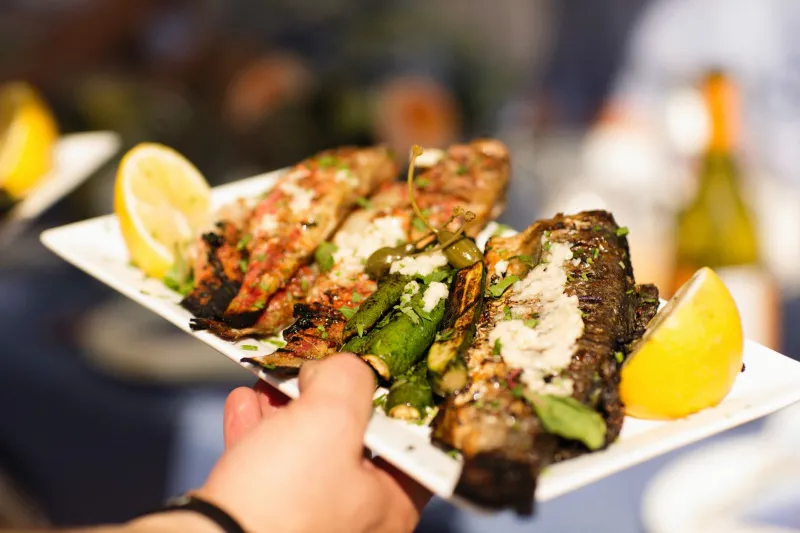
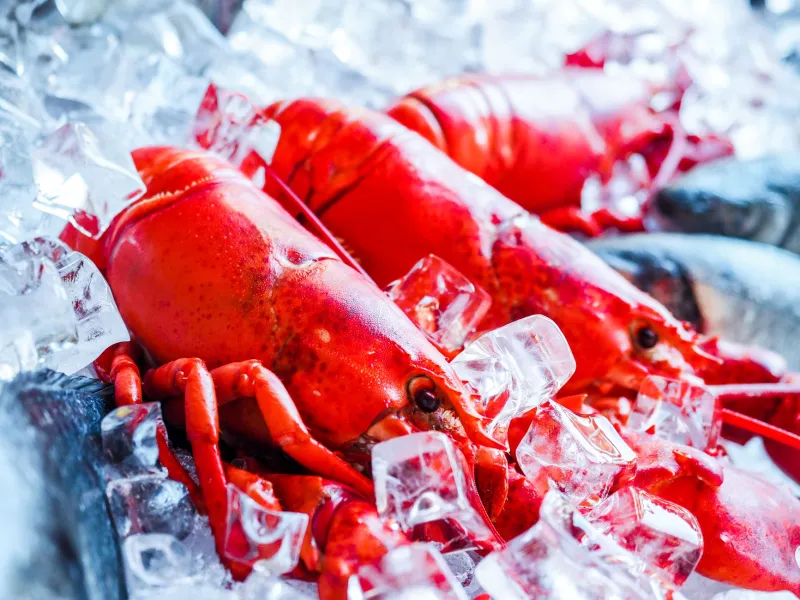
Meet the Underdogs: Incredible Shellfish Your Fish Market Has Been Hiding in Plain Sight
Walk up to a typical American seafood counter and you'll see the same familiar cast: oysters, littleneck clams, mussels, maybe a lobster tank if you're lucky. Those are all fantastic, no argument there. But tucked behind the headliners — sometimes literally pushed to the back of the display case — are shellfish varieties that could completely change the way you think about cooking from the sea. They're weird-looking, occasionally hard to pronounce, and wildly underappreciated. That's exactly why you should be buying them.
Here's your field guide to the shellfish your fish market has been hiding in plain sight.
Geoduck: The Ugliest Delicious Thing in the Ocean
If you've never seen a geoduck (pronounced gooey-duck, because the ocean loves a curveball), prepare yourself. This massive Pacific Northwest bivalve looks like a clam that got wildly out of hand, with a neck — technically called a siphon — that can stretch over a foot long. It's genuinely one of the stranger-looking things you'll encounter at a fish counter.
But here's the thing: geoduck is extraordinary. The siphon has a clean, sweet, almost cucumber-like flavor with a satisfying crunch that holds up beautifully raw. It's a staple in high-end Japanese sashimi and Korean hot pot, and once you taste it, you'll understand why Pacific Northwest chefs guard their geoduck sources like state secrets.
How to buy it: Look for geoduck that's still alive and reactive — the siphon should retract when touched. Fresh is best, but some specialty seafood suppliers (including online options like us here at Salty's) carry it cleaned and ready to use.
How to use it: Slice the siphon thin and serve it raw with a squeeze of lemon and a dab of yuzu kosho. For the body meat, a quick sauté in brown butter with garlic is all it needs. Don't overcook it — thirty seconds in a hot pan is plenty.
Cockles: The Underrated Bivalve That's Basically a Flavor Grenade
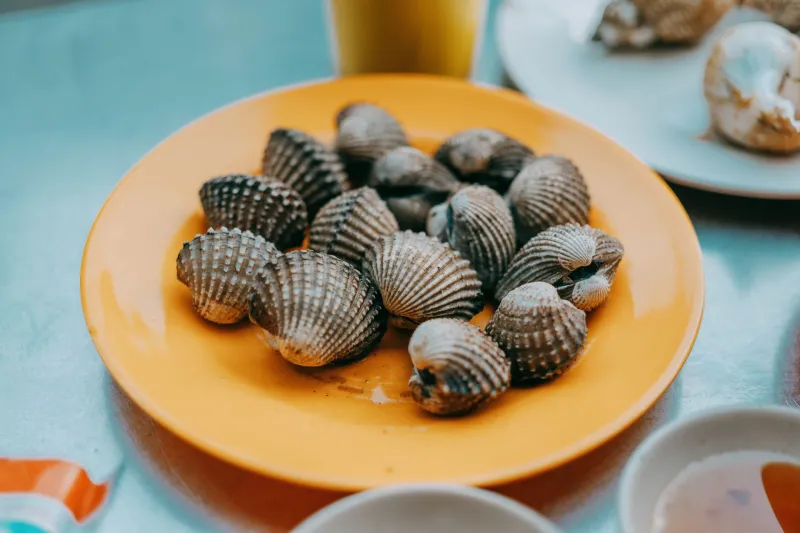
Cockles are tiny, ridged clams that have been a staple of British seaside culture for centuries — you'd find them sold in paper cups at boardwalks from Brighton to Blackpool. In the US, they're largely ignored, which is a genuine shame.
These little guys are intensely briny and sweet, with a more assertive ocean flavor than a standard littleneck clam. They cook in about two minutes, they're usually cheaper than their more famous cousins, and they absorb the flavors of whatever you cook them in like a sponge.
How to buy them: Cockles are sold live in the shell or pre-cooked and jarred in brine. The jarred version is actually a great pantry staple — similar to canned clams but with noticeably more character. Fresh cockles should be tightly closed or close when tapped.
How to use them: Toss live cockles into a pan with white wine, shallots, and a handful of fresh parsley — they'll open in minutes and the resulting broth is incredible spooned over crusty bread. Jarred cockles work brilliantly stirred into pasta with olive oil, chili flakes, and lemon zest for a weeknight dinner that tastes like it took serious effort.
Razor Clams: The Long, Lean Shellfish Worth the Hunt
Razor clams look exactly like their name suggests — long, narrow shells that resemble an old-fashioned straight razor. They're found along both coasts, particularly in the Pacific Northwest and New England, but they rarely make it to mainstream grocery stores. Find them at a good fish market or specialty seafood counter and grab them without hesitation.
The flavor is sweeter and more delicate than a hard-shell clam, and the texture — when cooked properly — is tender with a slight chew. They're a regional delicacy in coastal communities but almost invisible to inland American home cooks.
How to buy them: Fresh razor clams should be alive and close when handled. Ask your fishmonger when they came in — freshness matters more with these than almost any other shellfish.
How to use them: Razor clams are fantastic pan-fried with a light cornmeal crust, which is how they're traditionally served on the Oregon coast. They're also excellent quickly steamed and finished with a simple mignonette or a drizzle of good olive oil and sea salt. Keep it simple — they don't need much help.
Mantis Shrimp: The Crustacean That Punches Way Above Its Weight
Mantis shrimp aren't actually shrimp — they're stomatopods, a separate crustacean family that's been around for about 400 million years. They're also famous for having the most complex eyes in the animal kingdom and the ability to strike with the force of a bullet. But forget all that. What matters in the kitchen is this: mantis shrimp taste absolutely incredible.
The flavor is somewhere between lobster and crab, with a sweetness and richness that makes them wildly popular in Italian and Southeast Asian cooking. In parts of coastal Italy, they're called canocchie and are considered a delicacy. In Vietnam, they're grilled with salt, pepper, and lime and eaten right off the shell.
How to buy them: Mantis shrimp are still relatively niche in the US, but they're increasingly available at Asian fish markets and through specialty online seafood retailers. Look for them fresh or frozen — frozen mantis shrimp holds up well and is often your most realistic option outside of coastal cities.
How to use them: Split them lengthwise and grill over high heat with garlic butter, or steam them and serve with a Vietnamese-style dipping sauce of lime juice, fish sauce, sugar, and chili. The shells are tricky to navigate, but the meat inside is worth every bit of the effort.
Whelks: The Chewy, Briny Gastropod That Deserves a Comeback
Whelks are large sea snails, and yes, that description makes some people nervous. But if you've ever eaten escargot and enjoyed it, whelks are an easy leap. They have a firm, slightly chewy texture and a deep, mineral-rich brininess that pairs beautifully with bold flavors.
They've been eaten along American coasts for centuries — wampum beads were historically made from whelk shells — but somewhere along the way, they fell out of fashion in mainstream American cooking. Korean and Southeast Asian cuisines never let them go, and for good reason.
How to buy them: Whelks are sold live, pre-cooked, or canned. Canned whelk is an excellent and accessible starting point if you want to get acquainted before committing to a whole live batch.
How to use them: Slice cooked whelk thin and toss with sesame oil, soy sauce, sliced scallions, and a touch of gochugaru for a quick Korean-inspired side dish. Or chop them and fold into a chowder for a briny depth that clams alone can't quite achieve.
A Few Quick Rules for Shopping Outside Your Comfort Zone
Whenever you're venturing into unfamiliar shellfish territory, a few basics apply across the board. Buy from a fishmonger you trust and ask questions — a good fish counter person will tell you exactly when something came in and how to cook it. Smell before you buy: fresh shellfish smells like the ocean, clean and briny, not fishy or sour. And don't be afraid to ask for a small amount to start. Most fishmongers are genuinely happy to see someone interested in the less-popular stuff.
The shellfish world is so much bigger than oysters and clams. These underdogs are out there waiting, and once you start exploring, there's no going back to the same old lineup.