The Secret Weapons in Your Pantry: Ocean-Derived Condiments That Make Everything Taste Better
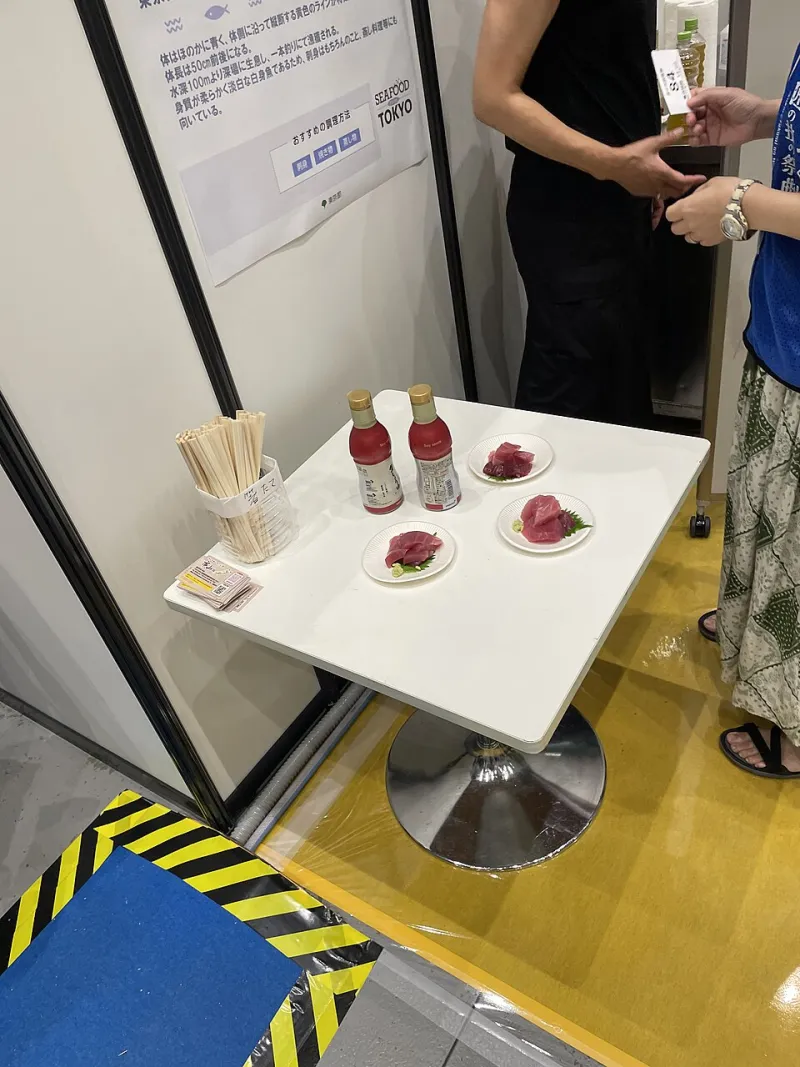
Photo: ウィ貴公子, CC BY-SA 4.0, via Wikimedia Commons
Somewhere between the sriracha and the soy sauce in your fridge door, there's probably a gap. A gap where depth should live. That mysterious quality that makes you eat a bowl of pasta at a good restaurant and think, what is that? — that's umami, and the ocean is arguably its richest natural source. The great news is that you don't need culinary school credentials or a professional kitchen to access it. You just need to know which bottles and jars to keep on hand.
This isn't a story about putting fish sauce on everything (although, honestly, sometimes that's the move). It's about understanding a whole ecosystem of gourmet, ocean-derived flavor enhancers — what they are, how they work, and why chefs have been quietly relying on them for decades while the rest of us were reaching for the garlic powder.
What Umami Actually Is and Why the Ocean Has So Much of It
Umami is often described as the fifth taste — savory, mouth-coating, and deeply satisfying in a way that's hard to pin down. The science behind it involves glutamates, inosinate, and guanylate — naturally occurring compounds that stimulate specific taste receptors and create that sense of richness and roundness in food.
Seafood is loaded with these compounds. Fish muscle tissue, shellfish, fermented marine products, and even seaweed are among the most glutamate-dense foods on earth. When fish is aged, fermented, smoked, or reduced, those compounds concentrate and intensify. The result is a category of ingredients that can transform a dish with a teaspoon rather than a tablespoon.
Fish Sauce: The One You Probably Already Have (But Might Be Using Wrong)
Fish sauce is the gateway drug of ocean-derived condiments, and most American home cooks have at least a dusty bottle lurking somewhere. Traditional Southeast Asian fish sauce — made by layering small fish like anchovies with salt and allowing them to ferment for months or even years — is a masterclass in controlled decomposition. The result is a liquid that smells aggressively funky straight from the bottle but disappears into a dish as pure, savory magic.
The mistake most people make is using fish sauce only in Thai or Vietnamese recipes. Professional cooks treat it like a secret seasoning agent across cuisines. A few drops into a braised short rib, a Caesar dressing, a pot of chili, or even a tomato sauce adds an almost imperceptible but deeply satisfying backbone. You won't taste fish — you'll just taste more.
When shopping, look for single-origin or small-batch artisanal fish sauces. Red Boat (made in Vietnam from black anchovies) is a widely available benchmark in the US. Some American producers are now crafting domestic versions from local species — worth seeking out for both flavor and the sustainability story.
Anchovy Paste: The Introvert's Version of the Same Trick
If fish sauce feels too assertive for your cooking style, anchovy paste is your entry point. It's essentially fermented anchovy reduced to a concentrated, spreadable form — milder than whole anchovies, easier to incorporate, and nearly impossible to detect as "fishy" once it's cooked into a dish.
Squeeze a small amount into the base of a pan sauce, stir it into compound butter, or whisk it into a vinaigrette. It adds a rounded, savory quality that makes other flavors louder without announcing itself. Italian cooks have known this for centuries — it's a foundational element in everything from bagna cauda to classic pasta puttanesca.
For home cooks, a tube of good anchovy paste is one of the highest-return pantry investments you can make. Keep it refrigerated after opening and it'll last for months.
Smoked Fish Oil: The Newer Kid on the Block
Smoked fish oils are a relatively recent addition to the artisanal condiment market, and they're worth getting excited about. Made by cold-smoking fish (typically salmon, trout, or mackerel) and then extracting or infusing the oil, these products deliver both the omega-3 richness of seafood fat and a deep, campfire-kissed smokiness that's unlike anything else in the pantry.
Drizzle smoked fish oil over roasted vegetables, use it to finish a bowl of clam chowder, or blend it into a compound butter for grilled steak. The smoke and brine combination is particularly stunning on corn on the cob — a dead-simple summer move that'll get you compliments all season.
A little goes a long way. Start with a teaspoon and adjust from there. Because the fat carries flavor so efficiently, smoked fish oil can tip quickly from "intriguing" to "overwhelming" if you're heavy-handed.
Seafood Broths and Dashi: Liquid Umami in a Carton
A good seafood stock is the foundation of professional cooking in coastal cuisines worldwide, and the artisanal food market has made it genuinely accessible. High-quality clam broths, lobster stocks, and Japanese-style dashi (made from kombu seaweed and dried bonito flakes) are available in shelf-stable formats that belong in every serious home cook's pantry.
Dashi in particular deserves more attention from American home cooks. It takes about ten minutes to make from scratch, but even packaged dashi concentrate delivers a clean, deeply savory base that improves everything from miso soup to risotto to steamed vegetables. The glutamates in kombu combined with the inosinate in bonito create what food scientists call a synergistic umami effect — the combination is significantly more powerful than either ingredient alone.
Use seafood broth anywhere you'd use chicken stock. Risotto made with a good clam broth is a revelation. Braised white beans with lobster stock are embarrassingly easy and impressively sophisticated.
Fish Collagen and Garum: The Deep Cuts
For the genuinely adventurous home cook, two ingredients sit at the frontier of the ocean-condiment universe: fish collagen and garum.
Fish collagen — extracted from the skin and bones of deep-sea fish — is gaining traction not just in wellness circles but in professional kitchens. When dissolved into sauces or braising liquids, it adds an extraordinary silky body and richness without the heaviness of cream or butter. Some forward-thinking American chefs are using it to create lighter, cleaner sauces that still have that luxurious, lip-coating quality diners love.
Garum is the ancient Roman fermented fish sauce that's been resurrected by modernist chefs like those at Noma in Copenhagen and has since filtered into the broader culinary conversation. Aged for months and intensely concentrated, it's less of a condiment and more of a seasoning philosophy. American producers are beginning to make small-batch versions — some from unexpected proteins like beef or mushrooms — but the seafood originals remain the most complex and compelling.
Building Your Arsenal: A Starting Point
You don't need all of this at once. Start with a quality fish sauce and a tube of anchovy paste — those two alone will change the way you cook. Add a good seafood broth next, then explore smoked fish oil when you're ready to get playful. The goal isn't to make everything taste like the ocean; it's to give your food the kind of depth and resonance that makes people ask, what's your secret?
At Salty's Reef Store, we think the ocean has more to offer the home kitchen than most people realize. These condiments are proof. They're sustainable, deeply flavorful, and rooted in food traditions that span centuries and continents. Keep a few on hand, use them with curiosity, and your weeknight dinners will never be the same.