We Ranked 9 'Healthy' Seafood Trends So You Don't Waste a Dime

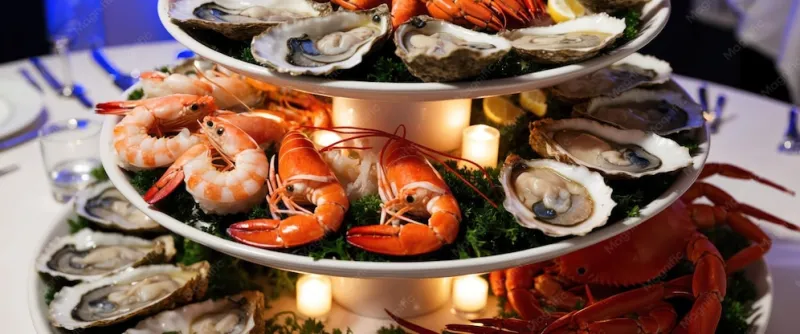
Photo: Tochiprecious, CC BY-SA 4.0, via Wikimedia Commons
The ocean has officially been branded. Somewhere between the kelp snacks and the marine collagen powders, "eating from the sea" became a wellness category — and with any wellness category comes a fog of marketing you have to wade through.
We waded through it for you. Here's our honest ranking of nine trends, from can't-miss to leave-on-the-shelf.
1. Tinned Fish — A Steal
The tinned fish renaissance is real, and unlike most food trends, this one is affordable, shelf-stable, and nutritionally bulletproof. Sardines and mackerel deliver omega-3s, protein, and calcium for a few dollars a tin. A quality subscription or a well-stocked pantry shelf beats most fresh fish for weeknight value. If you buy one thing from this list, make it this.
2. Frozen-at-Sea Fish — Worth Every Penny
Flash-frozen on the boat within hours of catch, this fish is frequently fresher than what's sitting on "fresh" ice at the supermarket. It's cheaper, it wastes nothing, and the quality gap closed years ago. The stigma is the only thing outdated here.
3. Farmed Bivalves — Genuinely Great
Farmed mussels, oysters, and clams filter the water they grow in — no feed, no fertilizer, no input. From an environmental standpoint, they may be the most sustainable animal protein available. Nutritionally dense, cheap, delicious. Buy them often.
4. Seaweed as an Ingredient — Smart Buy
Kelp, nori, wakame — the actual sea vegetables, not the snack-ified versions — are mineral-rich, low-calorie, and culinary versatile. Skip the $8 bags of fried kelp chips and buy the real thing to toss into broths, salads, and rice.
5. Fermented Seafood Condiments — Underrated Workhorse
Fish sauce, shrimp paste, and the like have anchored great cooking for centuries. Small amounts add serious depth with negligible sodium per serving. Not trendy for trend's sake — just legitimately useful.
6. Marine Collagen — A Maybe
The science on collagen supplements is thin. It won't hurt you, but the evidence that it does much beyond protein content is limited. If you love it in your coffee, fine — just know you're paying a premium for a protein source you could get from, well, actual fish.
7. 'Sushi-Grade' Labels — Mostly Theater
Here's an uncomfortable truth: "sushi-grade" has no legal definition in the US. It's a marketing term. What matters is whether fish intended for raw consumption has been properly frozen to parasite-killing temperatures — which is a handling standard, not a grade. Ask your fishmonger directly whether a fish is safe to eat raw. That answer is worth more than any label.
8. Kelp Snack Foods — Skippable
Most kelp chips and puffs are potato chips wearing a seaweed costume — fried, salted, and priced at three times the value. You're paying for the halo, not the nutrition. Get your kelp in a miso soup instead.
9. Premium 'Ocean-Derived' Supplements — Leave It
Algae oils have a legitimate niche for people who don't eat fish. But the broader wave of ocean-branded pills, powders, and elixirs is mostly expensive water and hopeful labeling. Eat the fish. Skip the capsule.
The Bottom Line
The pattern across this list is simple: the trends that hold up are the ones your grandmother or your nonna would recognize — tinned sardines, farmed mussels, a good fish sauce. The ones that fall apart are processed versions of whole ingredients wearing a wellness badge.
Spend your money at the counter and the pantry shelf, not the supplement aisle. Your wallet — and honestly, your cooking — will thank you.