What Your Fish Counter Isn't Telling You (And How to Ask the Right Questions)
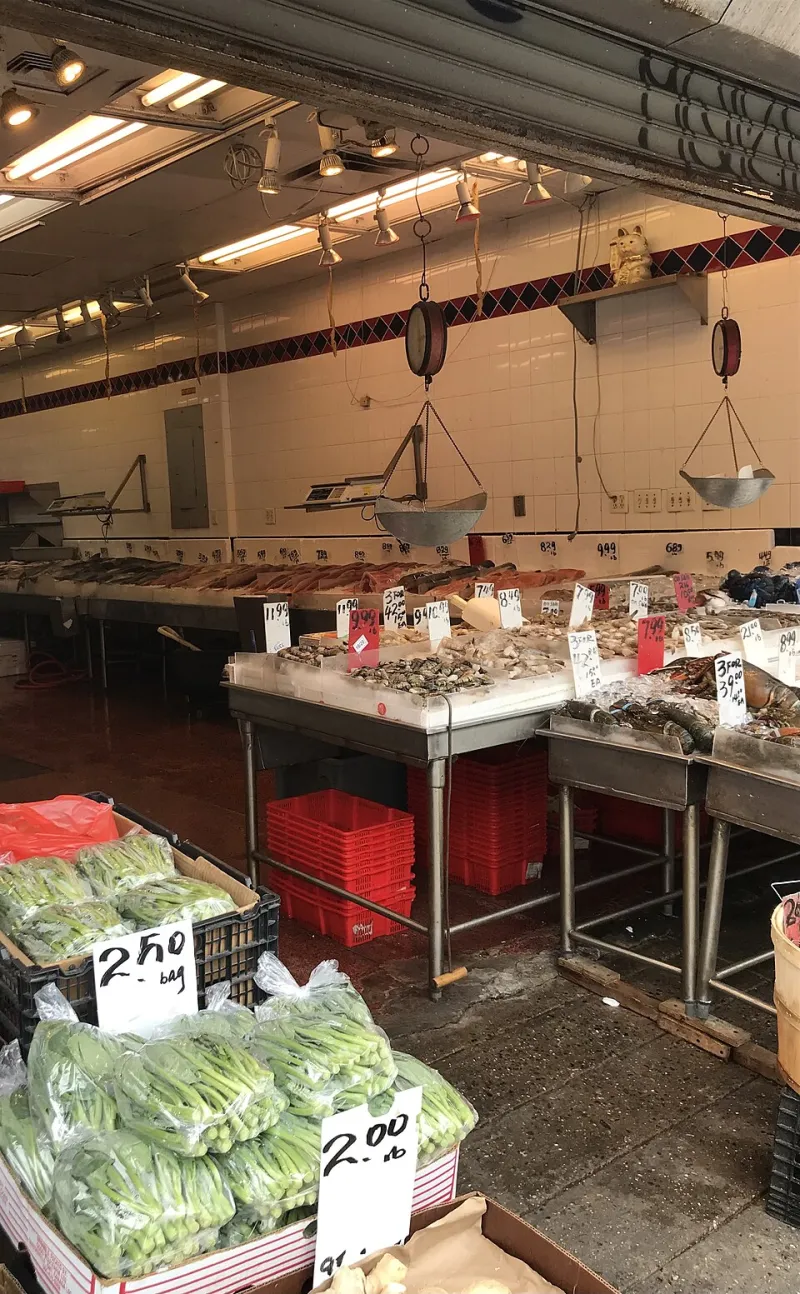
Photo: TazmilyKoala, CC BY-SA 4.0, via Wikimedia Commons
Let's be honest: standing in front of a fish counter can be a little overwhelming. There's ice everywhere, a dozen different species staring back at you, and signs that say things like "sustainably harvested" or "responsibly sourced" without a whole lot of backup. What does any of that actually mean? And more importantly, how do you know you're making a choice that's good for your plate and for the ocean?
We've been thinking about this a lot at Salty's Reef Store, because getting great seafood into your kitchen starts way before you fire up the stove. It starts at the market. So let's break it down.
Certifications: Which Ones Actually Matter
Not every eco-label on a seafood package carries the same weight. Here are the ones worth paying attention to:
Marine Stewardship Council (MSC): The blue MSC label is one of the most rigorous third-party certifications out there. It means the fishery has been independently assessed against global standards for sustainable fishing—things like fish stock health, ecosystem impact, and management practices. If you see that blue fish on a label, it's a solid starting point.
Aquaculture Stewardship Council (ASC): For farmed seafood, the ASC certification does something similar. Not all aquaculture is created equal, and the ASC helps distinguish farms that minimize environmental damage from those that don't. Farmed oysters, mussels, and certain salmon species often carry this label.
Monterey Bay Aquarium's Seafood Watch: Technically not a label you'll find on fish at the counter, but their free app is one of the most powerful tools in a conscientious shopper's pocket. It categorizes seafood as "Best Choice," "Good Alternative," or "Avoid" based on up-to-date science, and it's region-specific for the US. Download it before your next trip to the market.
Fair Trade Certified: This one focuses more on the human side of the supply chain—fair wages, safe working conditions for fishing crews. It's increasingly appearing on canned and frozen seafood products.
A word of caution: terms like "natural," "ocean-fresh," or "responsible" without any third-party backing are essentially marketing language. They mean whatever the seller wants them to mean.
Reading Freshness Like a Pro
Sustainability matters, but so does quality. Fortunately, fresh fish isn't a mystery if you know what to look for.
Eyes: On whole fish, the eyes should be clear and slightly bulging. Cloudy, sunken eyes are a sign the fish has been sitting around too long.
Smell: Fresh fish smells like the ocean—clean, briny, maybe a little like seaweed. If it smells aggressively fishy or ammonia-like, walk away.
Flesh: Press gently on a fillet if you can. Fresh fish springs back. Fish that's past its prime leaves an indentation and may look dull or slightly gray at the edges.
Gills: On whole fish, the gills should be bright red or pink, not brown or gray.
Ice and display: A well-run fish counter keeps product on fresh ice, ideally displayed so fillets aren't sitting in pooled water. Liquid pooling under fish can accelerate spoilage.
If you're shopping at a supermarket rather than a dedicated fishmonger, don't be shy about asking when the fish came in. Most stores receive deliveries on specific days—knowing that can make a big difference in what you pick.
Building a Real Relationship with Your Fishmonger
This might be the most underrated tip in the whole guide: find a fishmonger you trust and talk to them like a human being.
A good fish market employee knows their product. They know what came in fresh that morning, what's been in the case since Tuesday, and which local boats their shop sources from. They can tell you whether the salmon is from a net-pen farm in the Atlantic or a wild-caught run out of Alaska. They can steer you toward what's in season and genuinely abundant—which is almost always the better environmental and flavor choice anyway.
Start simple. Ask: "What came in fresh today?" or "What would you take home tonight?" Good fishmongers love those questions. They'll light up.
Over time, if you're a regular, they'll start flagging things for you—a beautiful catch of local black sea bass, a limited run of spot prawns from the Pacific Northwest. That kind of relationship is worth its weight in Dungeness crab.
Regional Resources for Finding Sustainable Seafood Across the US
Sustainable seafood access varies a lot depending on where you live. Here are some region-specific starting points:
- Pacific Northwest (Seattle, Portland): Pike Place Fish Market and local co-ops like PCC Community Markets are known for strong sourcing standards. Wild Alaskan salmon and Dungeness crab are local stars.
- Northeast (Boston, NYC, Portland ME): Look for Community Supported Fishery (CSF) programs—they work like a CSA but for seafood, connecting you directly with local fishing boats. Red's Best in Boston is a notable example.
- Gulf Coast (New Orleans, Houston): Gulf shrimp caught by domestic boats (look for the "Gulf Wild" tag) is a more sustainable choice than imported farmed shrimp. Local oysters from the Gulf are also outstanding.
- Mid-Atlantic (DC, Baltimore, Philadelphia): Chesapeake Bay blue crab is an iconic regional choice when in season. Check the Chesapeake Bay Foundation's resources for current stock health updates.
- Midwest & Landlocked States: Frozen seafood is often a smarter choice than fresh here, since it was typically frozen at peak freshness. Whole Foods Market and Aldi have both improved their sourcing transparency in recent years.
Your Quick-Reference Shopping Checklist
Next time you're standing at the fish counter, run through this:
- Check for MSC or ASC certification
- Pull up Seafood Watch on your phone
- Smell before you buy (if possible)
- Ask when the fish came in
- Ask where it's from and how it was caught or farmed
- Look for clear eyes and bright gills on whole fish
- Choose what's local and in season when you can
- Skip anything labeled only "responsibly sourced" with no third-party backing
Screenshot this list, save it to your photos, or write it on a sticky note in your wallet. Sustainable shopping gets a lot easier once these questions become second nature.
The Bigger Picture
Every purchase you make at the fish counter is a small vote for the kind of ocean you want to pass on. That sounds dramatic, but it's genuinely true—consumer demand shapes what fisheries and farms prioritize. When you ask where your fish comes from, when you choose the MSC-certified option, when you support a local fishmonger who works with responsible boats, you're part of something bigger than dinner.
And honestly? Fish that's caught and handled well just tastes better. So there's really no downside here.
Head over to the Salty's Reef Store shop to explore our curated selection of responsibly sourced seafood and pantry staples—everything we carry meets the sourcing standards we'd apply at our own fish counter.