Eating Well from the Ocean Without Emptying Your Wallet: A Practical Guide to Budget-Friendly Sustainable Seafood
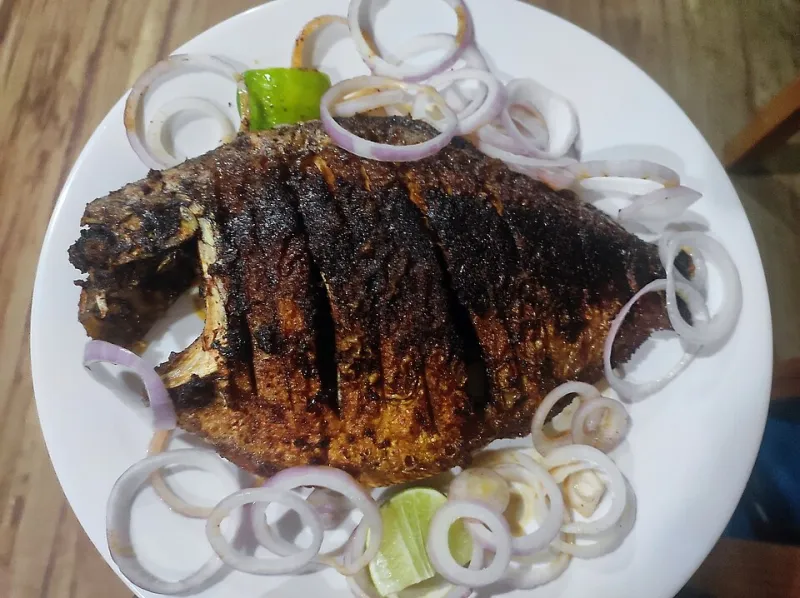
Photo: Ishan Mittal, CC BY-SA 4.0, via Wikimedia Commons
There's a persistent myth floating around American kitchens: that eating sustainable seafood is expensive, complicated, and reserved for people who shop at boutique markets with chalkboard signs. It's a frustrating idea, because it's also largely untrue.
The reality is that the ocean is vast, seasonal, and full of species that most grocery stores either don't carry or chronically undervalue. With a little curiosity and a few practical habits, you can build a seafood-forward diet that's both environmentally responsible and genuinely affordable — without sacrificing an ounce of quality.
Start Thinking Whole Fish
Fillets are convenient. They're also one of the most expensive ways to buy seafood, because you're paying for someone else's labor. A whole fish — whether it's a branzino, a red snapper, or a Pacific rockfish — almost always costs less per pound than its pre-cut equivalent, and it comes with a built-in bonus: the bones and head, which make the most incredible stock you've ever tasted (seriously, we wrote a whole thing about this).
A whole fish roasted with olive oil, lemon, and herbs is also one of the most forgiving preparations around. It's harder to overcook than a fillet, the skin crisps up beautifully, and it looks impressive on the table with basically zero effort. Ask your fishmonger to clean and scale it for you — that part's free — and you're set.
For budget-conscious shoppers, whole fish in the 1.5 to 2 pound range are the sweet spot. One fish typically serves two people generously, and at $6 to $10 per pound for many species, you're well under what you'd spend on individual fillets.
Embrace the "Ugly Delicious" Species
American seafood consumption is embarrassingly narrow. The five most popular seafood choices in the US — shrimp, salmon, tuna, tilapia, and Alaskan pollock — account for the vast majority of what we eat. Meanwhile, dozens of delicious, well-managed species get passed over simply because nobody's familiar with them.
This is actually great news for your wallet.
Species like porgy, bluefish, Atlantic mackerel, Pacific sardines, and farmed catfish are consistently sustainable, wildly flavorful, and significantly cheaper than their more famous cousins. Mackerel and sardines, in particular, are among the most omega-3 rich fish available anywhere, and they're almost always priced below $5 per pound fresh — less if you go canned or jarred.
Squid (calamari) is another underused gem. It's sustainable, versatile, and inexpensive, and when you cook it right — either very fast in a hot pan or very slow braised — it's genuinely delicious. Don't let the unfamiliarity put you off.
A good rule of thumb: if it has a slightly oily reputation, a strong smell, or an unglamorous name, it's probably cheap, plentiful, and incredibly good for you.
Frozen Is Not a Compromise — It's Often a Smarter Choice
Let's clear something up: most "fresh" seafood at the grocery store was previously frozen. Fish is typically flash-frozen at sea within hours of being caught, then thawed for display at the counter. Buying it already frozen and thawing it yourself at home isn't a downgrade — it's often the exact same product, minus a few days of sitting under the lights.
High-quality frozen seafood — particularly shrimp, scallops, cod, and salmon — can be just as good as anything you'd find at a fresh counter, and it's almost always cheaper. It also gives you enormous flexibility. You can stock up when prices are low, thaw only what you need, and avoid the pressure of cooking something before it goes bad.
The key is buying IQF (individually quick frozen) products rather than block-frozen. IQF means each piece was frozen separately, so you can pull out exactly what you need without defrosting the whole bag. Look for minimal ingredients on the label — ideally just the fish itself, without added water, phosphates, or glazes.
Shop Seasonally and Shop Local When You Can
Seafood, like produce, has seasons. Dungeness crab is best (and cheapest) in winter along the West Coast. Blue crabs peak on the East Coast in late summer. Soft-shell crabs have a brief, glorious window in spring. Buying in season means you're getting peak quality at the lowest price point — supply is high, demand is distributed, and fishermen aren't fighting scarcity.
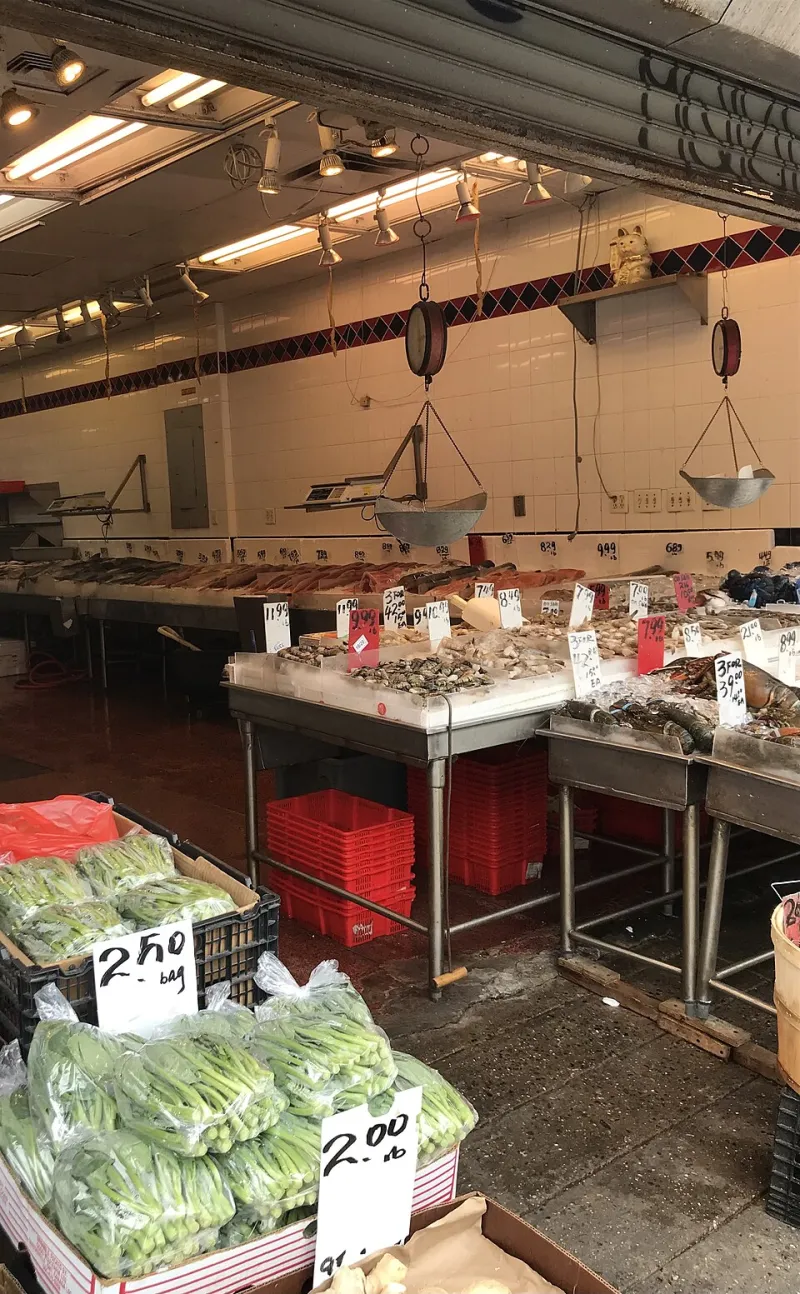
If you have access to a waterfront fish market, a Community Supported Fishery (CSF), or a direct-from-boat source, use it. CSFs work like CSA farm boxes — you pay upfront for a weekly or bi-weekly share of whatever the local fleet is catching. It's almost always cheaper than retail, it's fresh, and you get the satisfaction of knowing exactly where your food came from. Search "community supported fishery near me" to see what's operating in your area.
Where to Splurge (And Where to Save)
Not everything has to be the budget option. Some seafood products are genuinely worth the extra spend, and knowing which ones saves you from wasting money on the wrong things.
Worth the splurge:
- Wild-caught Alaskan salmon (the flavor difference over farmed Atlantic is real)
- Dry-packed sea scallops (wet-packed ones are soaked in solution and won't sear properly)
- High-quality tinned fish — Spanish sardines, Italian tuna in olive oil, smoked mussels — these are pantry luxury items that last forever and cost $4 to $12 a tin
- Artisanal sea salt for finishing (a little goes a long way)
Save your money here:
- Pre-marinated fish (you're paying for convenience you can easily replicate yourself)
- Fancy breaded or pre-seasoned frozen products (the markup is enormous for what you get)
- "Fresh" shrimp at the grocery counter (almost always previously frozen and marked up accordingly)
Storage Habits That Make Your Seafood Dollar Go Further
Even the best seafood purchase becomes a waste if it goes bad before you use it. A few habits make a big difference:
- Store fresh fish on ice in the coldest part of your fridge (usually the back of the bottom shelf) and use it within 1 to 2 days
- Freeze anything you don't plan to use within 48 hours — wrap tightly in plastic, then foil, then label with the date
- Keep a running "use first" section in your freezer so older items don't get buried
- Brine shrimp in salted water before freezing to help maintain texture
The Bottom Line
Eating sustainable seafood on a budget isn't about deprivation — it's about being a smarter, more curious shopper. Whole fish, overlooked species, quality frozen options, and seasonal buying habits can collectively cut your seafood spending by 30 to 50 percent while actually improving the quality of what's on your plate.
At Salty's Reef Store, we believe the ocean's best flavors shouldn't be gated behind a premium price tag. Explore our selection of tinned fish, reef-sourced pantry staples, and sustainably sourced ingredients — because eating well from the sea is something everyone deserves access to.