Pop, Burst, Wow: The Everyday Cook's Guide to Fish Roe Beyond the Sushi Roll
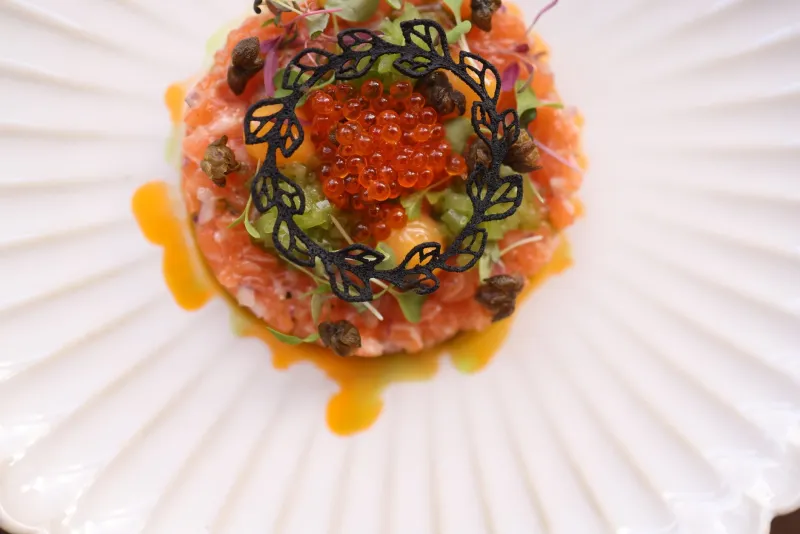
There's a moment that happens the first time you spoon a small mound of salmon roe onto something you cooked at home. You take a bite, those little amber spheres burst against your tongue, and suddenly your very ordinary Tuesday night pasta tastes like something you'd order at a restaurant with cloth napkins. That moment is the whole point.
Fish roe has spent decades hiding behind a reputation for exclusivity. Caviar is the famous one — the stuff of champagne toasts and special occasions. But the broader world of fish eggs is way more democratic than that, and it's finally getting the attention it deserves. Salmon roe, trout roe, and tobiko (flying fish roe) are affordable, widely available, and genuinely transformative in the kitchen. Here's everything you need to know to start using them tonight.
What Makes Roe So Culinarily Interesting
Before we get into the recipes, it helps to understand why fish roe does what it does. A few things are happening at once.
First, there's the textural contrast. Good roe has a taut, snappy exterior that gives way to a burst of liquid inside. That pop creates a kind of sensory punctuation — it wakes up your palate and makes every other element of a dish more noticeable by comparison.
Second, roe is packed with umami. The eggs contain high concentrations of glutamates and nucleotides, the same compounds that make Parmesan and soy sauce so deeply savory. When you add roe to a dish, you're not just adding saltiness — you're adding a rounded, oceanic depth that amplifies whatever it's sitting next to.
Third, there's fat. Fish eggs are rich in omega-3 fatty acids, which carry flavor beautifully. That's part of why a few grams of roe can season an entire bowl of food without overwhelming it.
Knowing Your Roe
Not all fish eggs behave the same way, and picking the right one for the job matters.
Salmon roe (ikura) is the most recognizable for American home cooks — those large, glossy orange spheres you see at Japanese restaurants. They have a pronounced briny flavor, a satisfying pop, and a slightly sweet finish. They're bold enough to hold their own against rich ingredients like butter, cream, or avocado.
Trout roe is smaller and a little more delicate than salmon roe, with a cleaner, less intensely fishy flavor. It's a great entry point if you're new to cooking with roe at home, and it works beautifully with eggs, potatoes, and lighter grain dishes.
Tobiko — flying fish roe — is the tiny, crunchy stuff you've seen on the outside of sushi rolls. It comes in several natural color varieties (orange, black, green, red) and has a mild, slightly smoky flavor. Its crunch is more pronounced than its burst, which makes it fantastic as a finishing garnish on everything from deviled eggs to avocado toast.
Masago (capelin roe) is similar to tobiko but even smaller and more affordable. It's slightly less complex in flavor but still delivers that briny, textural kick.
Where to Source It Without Overpaying
Here's the good news: you don't need to go to a specialty grocery store or order from an expensive import boutique. Quality salmon roe and tobiko are increasingly available at well-stocked grocery stores, Japanese markets, and online retailers (hi, that's us at Salty's). When you're shopping, look for roe that's refrigerated — not canned — and check that the eggs look plump and uniformly colored. Avoid anything that looks shriveled or smells aggressively fishy rather than cleanly oceanic.
A 2-ounce jar of salmon roe typically runs between $8 and $15, which sounds like a splurge until you realize that a little goes an extraordinarily long way. Two tablespoons can finish four servings of pasta. That's a better value per wow-factor than most pantry upgrades you'll make this year.
Once opened, keep roe tightly covered in the fridge and use it within three to five days. Freezing is possible but not ideal — it can compromise the texture of the eggs.
Four Ways to Use Fish Roe on a Weeknight
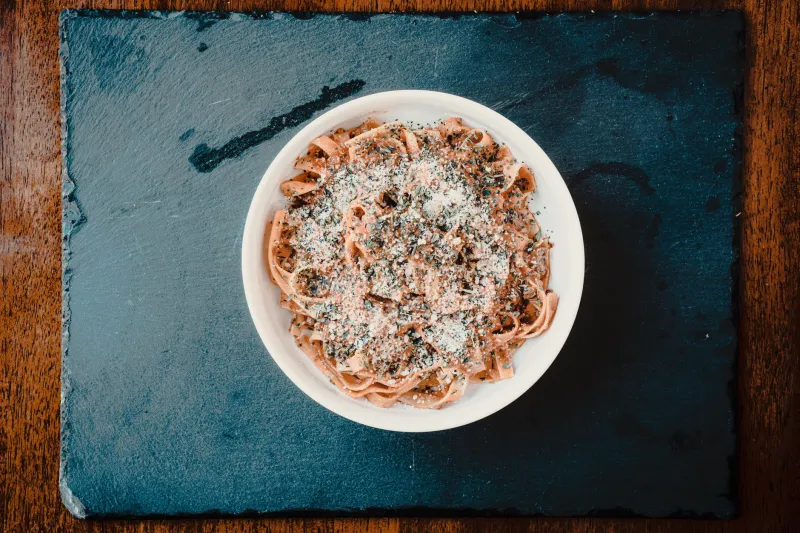
1. Pasta Finisher This is probably the fastest route to a roe revelation. Cook spaghetti or linguine, toss it with butter, lemon zest, a little pasta water, and fresh chives. Plate it, then spoon salmon roe directly on top — don't stir it in. The heat of the pasta will warm the eggs slightly without cooking them, and each forkful will have that incredible burst. The lemon and butter frame the roe's brininess perfectly.
2. Grain Bowls Farro, barley, and rice bowls are natural landing spots for trout roe or tobiko. Build your bowl with whatever vegetables and proteins you like, then finish with a generous spoonful of roe and a drizzle of sesame oil. The eggs add protein, fat, and that textural contrast that makes a grain bowl feel complete rather than virtuous-but-boring.
3. Deviled Eggs or Loaded Potato Bites If you're making appetizers for a crowd, tobiko is your secret weapon. Top deviled eggs with a small pinch of tobiko instead of paprika. Or make crispy smashed potatoes with sour cream and chives, then dot each one with trout roe right before serving. Both of these look like you spent hours on them. You didn't.
4. Scrambled Eggs This one sounds almost too simple, but it's genuinely excellent. Make your best soft scrambled eggs — low heat, lots of butter, pulled off the burner while still slightly underdone. Plate them and immediately add a spoonful of salmon roe on top. The contrast between the creamy eggs and the briny pop is remarkable. Add a little crème fraîche and you've got a brunch dish that could easily appear on a $22 restaurant menu.
A Few Rules to Cook By
Roe is a finishing ingredient — full stop. Heat destroys the delicate eggs, kills the pop, and turns what should be a textural highlight into a mushy, bitter disappointment. Always add roe at the very end, after the heat is off, and never stir it into something hot.
Pair roe with fat. Butter, cream, avocado, cream cheese, crème fraîche — these rich, neutral bases make roe sing. Acidic ingredients like lemon juice and vinegar are great supporting players, but fat is the lead.
Don't overthink the portions. A little roe is almost always enough. Two teaspoons on a plate of pasta looks generous and tastes perfect. More than that can tip the balance toward overwhelming.
The Bigger Picture
There's something kind of exciting about watching an ingredient migrate from a specialized context into everyday cooking. Fish roe is doing exactly that right now, and it's happening because home cooks are getting more curious, more adventurous, and more interested in the kind of layered, complex flavor that used to feel like restaurant-only territory.
The sushi bar didn't invent fish roe — people around the world have been eating it for centuries. But American home kitchens are finally catching up, and the results are genuinely delicious. Start with a jar of salmon roe, make the pasta, and see what happens. We're pretty confident you'll be back for more.