Golden Crust, Zero Excuses: The Real Reason Your Scallops Won't Sear (And How to Fix It for Good)
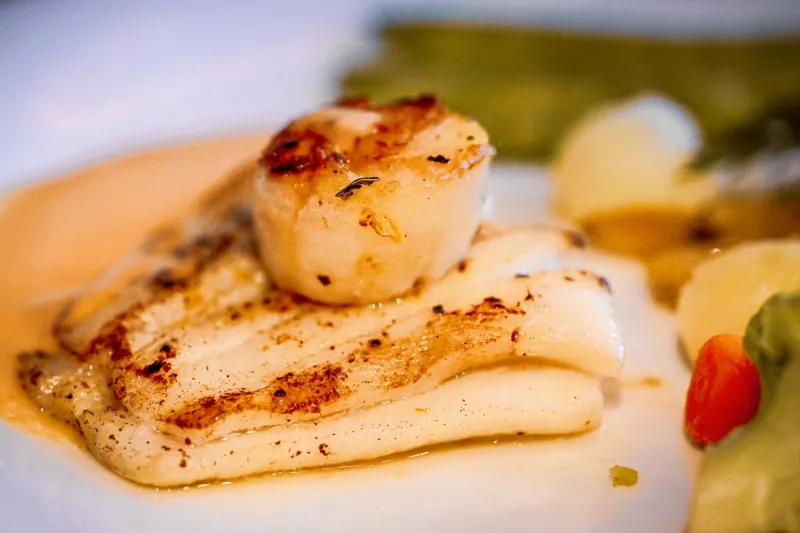
There's a particular kind of cooking frustration that's reserved specifically for scallops. You drop them into a hot pan, you wait, you flip — and instead of that gorgeous mahogany crust you were picturing, you get something pale, rubbery, and vaguely sad. You've been cheated. Again.
Here's the thing: it's not you. Well, it's not entirely you. Scallops are genuinely tricky, and the gap between a restaurant plate and a home kitchen result comes down to a handful of very specific, very fixable variables. Get those right, and the whole game changes.
Let's break it down.
The Core Problem: Moisture Is the Enemy of Browning
Browning — that rich, caramelized crust — happens through a process called the Maillard reaction. It requires heat, proteins, and one critical condition: a dry surface. Moisture hitting a hot pan creates steam, and steam is the mortal enemy of a good sear. Instead of browning, your scallop essentially poaches in its own liquid, which is exactly why you end up with that rubbery, gray result.
Scallops are already naturally moist. But the bigger issue? Most of the scallops sold in the US are "wet scallops" — meaning they've been soaked in a sodium tripolyphosphate solution to plump them up and extend shelf life. This treatment adds water weight, which then releases violently into your pan the moment heat hits them. The result is a puddle of liquid and a scallop that simply cannot brown no matter how hot your pan is.
The fix starts before you ever turn on the stove.
Sourcing: Dry-Packed Is Non-Negotiable
If there's one thing worth spending a little extra on, it's dry-packed scallops. These haven't been treated with water-retaining chemicals, which means they sear the way they're supposed to. They also taste significantly better — cleaner, sweeter, more like the actual ocean.
At Salty's Reef Store, we stock dry-packed sea scallops specifically because we know the difference matters. When you're shopping, look for the label "dry" or "chemical-free." If you're at a fish counter, ask directly — a good fishmonger will tell you straight. Dry scallops have a slight ivory or pinkish color and a matte surface. Wet scallops look unnaturally white and almost glossy.
Frozen scallops can absolutely work, too. The key is thawing them slowly in the refrigerator overnight, then patting them aggressively dry before cooking. Don't rush the thaw, and don't skip the pat-dry step.
The Setup: Pan Choice, Fat Choice, and Heat
Your pan matters more than almost anything else here. A cast iron skillet or a heavy stainless steel pan are your best options — they hold heat well and don't cool down dramatically when cold protein hits the surface. Nonstick pans can't get hot enough to sear properly, so set those aside for now.
Get the pan ripping hot before anything goes in. You want it hot enough that a drop of water evaporates almost instantly. This usually means 2–3 minutes over high heat.
For fat, use something with a high smoke point. Avocado oil, clarified butter (ghee), or a blend of regular butter and a neutral oil all work well. Avoid pure butter alone — it burns before you hit the temperature you need. Add the fat right before the scallops go in, let it shimmer and just barely start to smoke, then add your scallops.
Prep: The Steps Most People Skip
Before cooking, do these three things:
1. Remove the side muscle. Look for a small, slightly tougher rectangular tag on the side of each scallop. This is the adductor muscle that attached the scallop to its shell. Peel it off and discard it — it turns rubbery when cooked and has a different texture than the rest of the scallop.
2. Dry them. Then dry them again. Pat each scallop with paper towels until no moisture transfers. Then let them sit on a wire rack or paper towel-lined plate in the refrigerator, uncovered, for at least 30 minutes before cooking. This air-drying step makes a meaningful difference.
3. Season at the last minute. Salt draws moisture out of proteins. Season your scallops right before they hit the pan — not 10 minutes ahead.
The Actual Sear: Timing and Technique
Place your scallops in the pan without crowding them. If they're touching, steam builds up between them and you're back to the same problem. Cook in batches if you need to.
Here's the hard part: do not touch them. Once they go in, leave them alone. Resist every instinct. The scallop will release from the pan naturally when the crust has formed — usually after about 90 seconds to 2 minutes, depending on size. If you tug and it sticks, it's not ready. Give it another 20 seconds.
When you flip, you're looking for a deep amber-to-mahogany crust. Flip once, cook for another 60–90 seconds on the second side. The interior should be just barely translucent in the very center — scallops continue to cook after they leave the pan, so pull them slightly before you think they're done.
Total cook time for a large sea scallop: 3–4 minutes. That's it.
Common Mistakes at a Glance
- Using wet-packed scallops — the single biggest factor in failure
- Skipping the dry-out step — moisture on the surface = no crust
- Pan not hot enough — if fat isn't shimmering before scallops go in, you're already behind
- Overcrowding the pan — creates steam, kills the sear
- Moving them too soon — patience is the whole game
- Overcooking — scallops go from perfect to rubbery fast; pull them early
A Simple Finishing Move
Once your scallops are seared and plated, deglaze the pan with a splash of white wine or lemon juice, scrape up the fond (those browned bits stuck to the pan — pure flavor), and swirl in a tablespoon of cold butter. Spoon that pan sauce right over the scallops. It takes 45 seconds and makes the whole dish feel like something you'd pay $38 for.
The Bigger Picture
Great scallops don't require culinary school. They require good sourcing, a little prep discipline, and the willingness to leave them alone in the pan. Once you've nailed the technique, it becomes second nature — and the results are genuinely impressive every single time.
Start with quality product and the rest gets a lot easier. Salty's dry-packed sea scallops are a good place to begin. From there, it's just heat, patience, and a very hot pan.